Protein is essential for maintaining muscles, repairing tissues, supporting the immune system, and helping the body function normally.
For people living with chronic kidney disease, however, protein is one nutrient where the right amount matters just as much as the source.
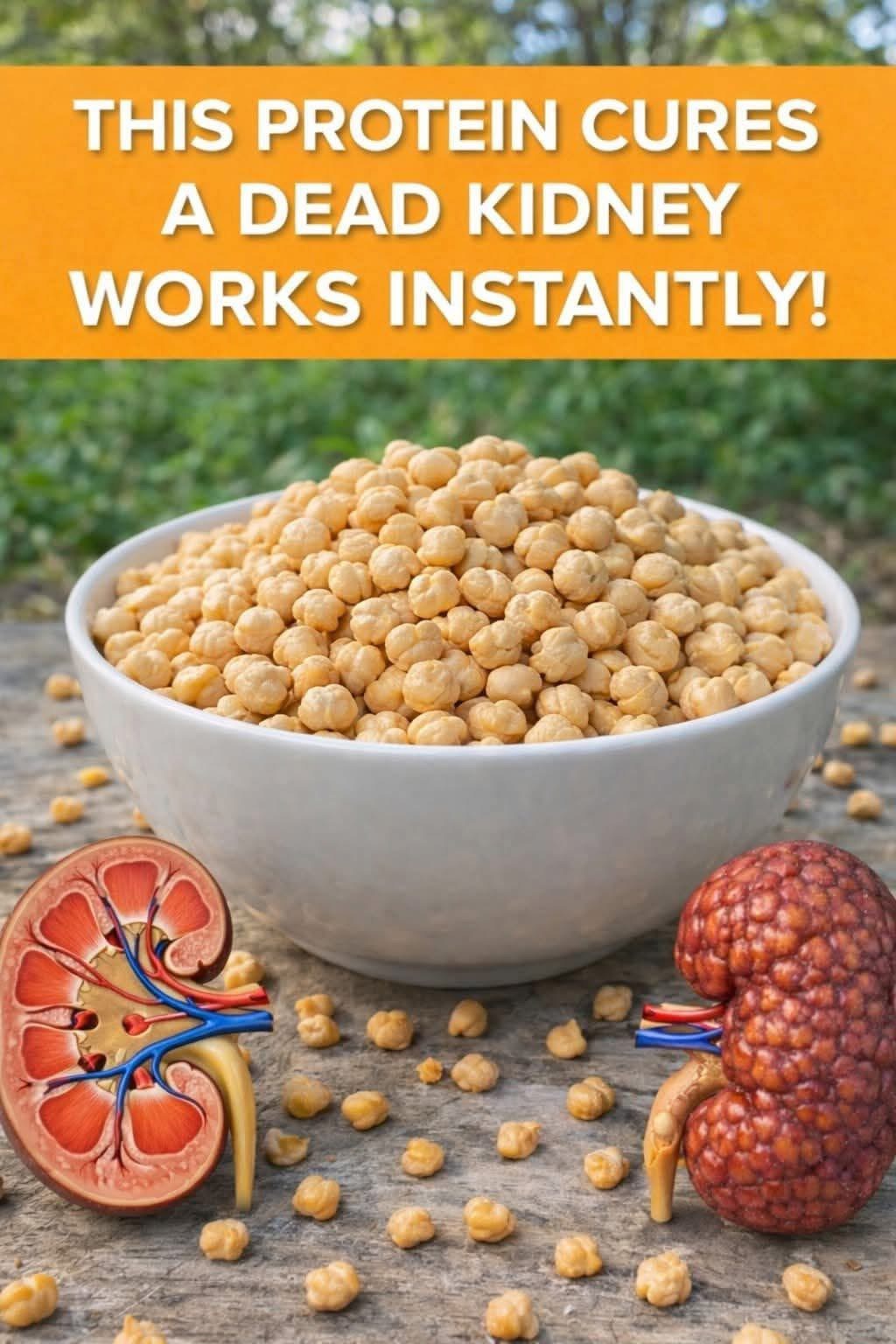
The bowl in the image appears to contain chickpeas, a nutritious plant-based protein. Chickpeas can fit into some kidney-friendly diets, but they are not a miracle food and cannot revive a kidney that has permanently lost its function.
Kidney nutrition is also very individual. Someone with early chronic kidney disease may receive completely different protein advice from someone receiving dialysis.
Why Protein Matters for the Kidneys
When the body uses protein, it produces waste products that healthy kidneys normally remove from the bloodstream.
When kidney function declines, removing these wastes becomes more difficult.
For many adults with moderate-to-advanced chronic kidney disease who are not on dialysis, current kidney guidelines suggest avoiding excessive protein intake. KDIGO recommends about 0.8 grams of protein per kilogram of body weight per day for many adults with CKD stages G3–G5 and advises avoiding very high intakes above 1.3 grams per kilogram per day in people at risk of progression.
That recommendation changes once dialysis begins.
Hemodialysis and peritoneal dialysis can remove amino acids and protein, so people receiving dialysis commonly need more protein, not less.
This is why copying someone else’s “kidney diet” from social media can be a bad idea.
Four Protein Choices That May Fit a Kidney-Friendly Diet
There is no universal list of four perfect proteins, but several foods can work well when the portion matches your kidney function and laboratory results.
1. Egg Whites
Egg whites provide high-quality protein while containing less phosphorus than whole eggs.
They are easy to prepare and can be added to breakfast, sandwiches, rice bowls, or vegetable dishes.
Try scrambling two or three egg whites with onions, bell peppers, and herbs.
Whole eggs can still fit many diets, but people who have been asked to restrict phosphorus may benefit from using more egg whites.
2. Fresh Fish
Fresh fish provides complete protein and can be an excellent alternative to processed meat.
Simple options include cod, tilapia, salmon, trout, or another fresh fish available locally.
Bake or grill the fish instead of heavily salting it.
A portion around the size of the palm of your hand is often easier to fit into a balanced meal than a huge restaurant-style fillet.
People on dialysis are commonly encouraged to eat adequate amounts of high-quality proteins such as fish, poultry, meat, and eggs.
3. Skinless Chicken or Turkey
Fresh chicken and turkey can provide protein without the enormous sodium load found in many processed meats.
Choose fresh poultry rather than deli turkey, smoked chicken, chicken nuggets, sausages, or heavily seasoned packaged products.
Cooking it at home also allows you to control the salt.
Use garlic, lemon, parsley, paprika, thyme, or black pepper for flavor instead.
4. Plant Proteins
Beans, chickpeas, lentils, and tofu can fit into many kidney-friendly eating patterns.
Plant proteins are particularly interesting because phosphorus naturally present in plant foods is generally absorbed less efficiently than added inorganic phosphate found in processed foods. The National Kidney Foundation also notes that plant-based protein can be part of a kidney-friendly eating pattern.
However, beans and lentils contain potassium and phosphorus.
Your serving may need adjustment if blood tests show high levels.
A portion such as ⅓ to ½ cup of cooked chickpeas may work for some people, while someone else may need a smaller portion.
Are Chickpeas Good for Kidney Patients?
Chickpeas provide protein, fiber, folate, and other nutrients.
They can be a useful alternative to processed meat.
But calling chickpeas a protein that “cures a dead kidney instantly” is unrealistic.
Kidney failure cannot be reversed instantly by eating a particular food.
People with advanced kidney disease may also need to monitor phosphorus and potassium. Beans naturally contain both, so portions should be individualized according to lab results and the advice of a renal dietitian.
The practical approach is portion control rather than automatically banning chickpeas.
Six Protein Foods to Limit or Choose Carefully
“Never touch” is usually too absolute because kidney diets vary.
Still, these six choices often deserve extra attention.
1. Processed Deli Meats
Ham, salami, bologna, packaged turkey slices, and similar meats can contain large amounts of sodium.
Many also contain phosphate additives.
Processed meats are specifically identified as foods people with kidney disease may need to limit.
2. Hot Dogs and Sausages
These products are often highly processed and salty.
Some contain added phosphates to improve texture, moisture retention, and shelf life.
Fresh chicken or fish is generally a simpler choice.
3. Canned Processed Meats
Canned chili, luncheon meat, corned beef, and similar products may combine large amounts of sodium with phosphate additives.
NIDDK specifically advises dialysis patients to avoid processed meats such as hot dogs and canned chili because of their sodium and phosphorus content.
4. Large Amounts of Cheese
Cheese provides protein and calcium, but many varieties are also concentrated sources of sodium and phosphorus.
That does not necessarily mean cheese is completely forbidden.
A renal dietitian may suggest a smaller portion or a lower-sodium alternative depending on your laboratory results.
5. Large Protein Shakes and Powders
A giant protein shake is not automatically healthier because the label says “fitness.”
Some powders provide far more protein than a person with non-dialysis CKD needs.
They may also contain potassium, phosphorus, sodium, creatine, herbal ingredients, or other additives.
Do not begin a high-protein supplement without discussing it with your kidney-care team.
6. Highly Processed Meat Products With Phosphate Additives
Check ingredient lists for words containing “phos”, such as:
- Phosphoric acid
- Sodium phosphate
- Calcium phosphate
- Dipotassium phosphate
- Pyrophosphate
Added inorganic phosphorus can be absorbed very efficiently by the body, which is one reason kidney organizations emphasize limiting foods containing phosphate additives.
Sometimes the ingredient list tells you more than the attractive picture on the front of the package.
Sodium Matters Too
Protein is only part of kidney nutrition.
Salt deserves attention because excess sodium can contribute to fluid retention and make blood-pressure management more difficult.
For many adults with CKD, reducing sodium is an important part of treatment.
Flavor meals with:
- Lemon
- Garlic
- Onion
- Parsley
- Thyme
- Rosemary
- Paprika
- Pepper
- Vinegar
Be careful with salt substitutes.
Many replace sodium with potassium chloride, which may not be appropriate when blood potassium is high or when certain medications are being used.
Potassium and Phosphorus Are Individual
One of the biggest misconceptions about a “renal diet” is that everyone with kidney disease must immediately eliminate bananas, tomatoes, beans, dairy, nuts, and dozens of other foods.
That is not always necessary.
Potassium and phosphorus restrictions depend largely on kidney function, medications, dialysis treatment, and blood-test results.
As kidney disease advances, the kidneys may become less able to maintain normal phosphorus and potassium levels. Healthcare professionals use blood tests to determine when dietary changes are necessary.
Do not unnecessarily remove nutritious foods before knowing what you actually need to restrict.
Kidney-Conscious Chickpea Salad
This simple recipe uses a moderate portion of chickpeas and plenty of fresh flavor.
It is intended for people whose healthcare professional has not instructed them to severely restrict potassium or phosphorus.
Preparation time: 10 minutes
Servings: 2
Ingredients
- ⅔ cup cooked chickpeas, drained and rinsed
- 1 cup finely chopped cucumber
- ½ cup chopped red bell pepper
- ¼ cup chopped onion
- 2 tablespoons fresh parsley
- 1 tablespoon olive oil
- 1 tablespoon fresh lemon juice
- ½ teaspoon dried oregano
- Black pepper to taste
How to Make It
Drain the chickpeas thoroughly.
If using canned chickpeas, rinse them under running water to remove some of the liquid and surface sodium.
Place the chickpeas in a bowl.
Add the cucumber, bell pepper, onion, and parsley.
Drizzle with olive oil and lemon juice.
Add oregano and black pepper.
Mix gently.
Divide into two portions and serve immediately.
For a more filling meal, add cooked rice or another grain that fits your eating plan.
Avoid adding large amounts of salty feta, olives, processed meat, or bottled dressing if sodium is being restricted.
Storage
Place leftover salad in a clean airtight container.
Refrigerate promptly.
Use it within two days for the best texture.
Do not leave the salad at room temperature for several hours.
If the vegetables become slimy or the mixture develops an unusual odor, discard it.
Cooked chickpeas can also be frozen in small portions.
Freeze them in airtight containers and thaw overnight in the refrigerator when needed.
A Simple Kidney-Friendly Plate
Instead of thinking only about protein, build the complete meal.
For example:
- A moderate serving of fresh chicken, fish, egg whites, tofu, or chickpeas
- A suitable grain such as rice
- Vegetables appropriate for your potassium needs
- Olive oil or another unsaturated fat
- Herbs and spices instead of excessive salt
Your exact portions matter.
Someone receiving dialysis may need considerably more protein than a person with non-dialysis CKD.
Frequently Asked Questions
Can chickpeas repair damaged kidneys?
No.
Chickpeas are nutritious food but cannot regenerate severely damaged kidneys or reverse kidney failure instantly.
Should kidney patients stop eating protein?
No.
The body still needs protein.
The goal is getting the right amount, which varies according to the stage of kidney disease and whether dialysis is being used.
Is chicken better than beef?
Fresh lean chicken can be a practical protein choice, especially when it replaces highly processed meats.
Portion size and the complete diet still matter.
Are beans forbidden in kidney disease?
Not automatically.
Beans provide plant protein and fiber, but their potassium and phosphorus content may require portion adjustments for some people.
Does dialysis change protein needs?
Yes.
People receiving dialysis generally need more protein because treatment removes some protein from the body.
Should I use protein powder?
Only when it fits your individual nutrition plan.
Many powders contain large amounts of protein and added minerals that may be unsuitable for some people with CKD.
Who can tell me exactly how much protein I need?
A renal dietitian can calculate an appropriate amount based on body weight, kidney function, dialysis status, laboratory results, appetite, and overall nutritional status.
Final Thoughts
Protein is not the enemy of kidney health, and there is no single magical protein that instantly repairs damaged kidneys.
The important part is choosing sensible sources and eating the amount appropriate for your stage of kidney disease.
Fresh fish, eggs or egg whites, poultry, and properly portioned plant proteins such as chickpeas can all have a place in the right eating plan.
Processed meats, excessive protein supplements, and foods loaded with sodium and phosphate additives deserve much more caution.
Kidney nutrition is one area where a personalized plan beats an internet “never eat this again” list every time.