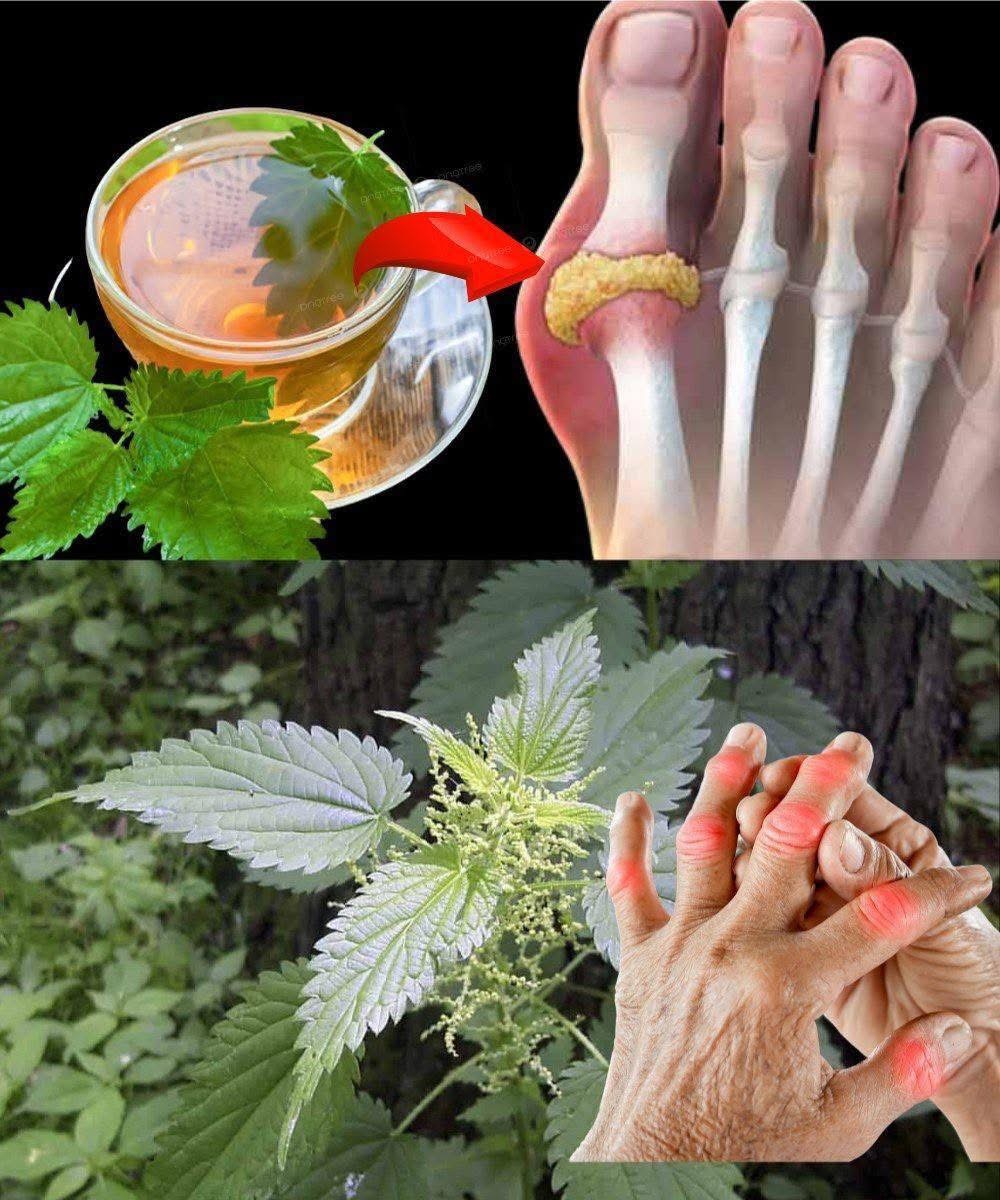
Some of the most useful plants are the ones growing quietly along paths, garden fences, and woodland edges.
Stinging nettle is a perfect example.
Its sharp leaves may not look especially inviting, but once properly dried or cooked, nettle becomes a pleasantly earthy herb that can be used in tea, soups, sauces, and other homemade recipes.
For generations, people have prepared nettle tea as a simple caffeine-free drink for everyday wellness, hydration, and seasonal comfort.
It is especially popular among those looking for a warm herbal drink that may complement a healthy routine for joint comfort.
Nettle tea is not a cure for arthritis, gout, or chronic pain. However, it can be enjoyed as part of a balanced lifestyle that also includes nutritious meals, gentle movement, good sleep, and appropriate medical care.
Best of all, the preparation takes only about two minutes. Then the hot water does the rest while you relax and let the leaves steep.
What Is Stinging Nettle?
Stinging nettle, botanically known as Urtica dioica, is a perennial green plant found across Europe, Asia, North America, and other temperate regions.
The fresh leaves and stems are covered in tiny hairs that can cause temporary itching, redness, and a burning sensation when touched.
This is where the plant gets its memorable name.
Fortunately, drying, blanching, or thoroughly cooking nettle leaves neutralizes the sting, making them suitable for culinary use.
Dried nettle leaves are commonly sold loose or packaged in tea bags.
The plant has a long history of use as both a wild food and a traditional herbal preparation.
European herbal guidance recognizes nettle leaf’s traditional use for minor joint discomfort and as an herbal preparation that increases urine flow for minor urinary complaints. Those uses are based primarily on long-standing tradition rather than strong proof that nettle treats underlying disease.
What Does Nettle Tea Taste Like?
Nettle tea has a mild, grassy flavor with earthy notes.
Some people compare it to a very light green tea, although nettle contains no caffeine.
The flavor is gentle enough to enjoy plain, but it also works beautifully with lemon, honey, mint, ginger, or cinnamon.
A short steeping time creates a lighter tea.
A longer steep produces a deeper green color and a stronger herbal taste.
For beginners, adding a thin slice of lemon and a small spoonful of honey can make the first cup especially enjoyable.
Why People Drink Nettle Tea
One reason nettle tea has remained popular is its simplicity.
You do not need a blender, juicer, expensive supplement, or complicated list of ingredients.
A spoonful of dried nettle leaves and hot water are enough.
Many people include it in their routine because it is:
- Naturally caffeine-free
- Warm and comforting
- Easy to prepare
- Pleasant served hot or cold
- Suitable for pairing with other herbs
- A simple way to drink more fluids
A warm cup can be especially welcome after gardening, walking, or spending a long day on your feet.
Sometimes the small ritual is part of the charm.
You place the leaves in the cup, pour in the water, cover it, and finally sit down for ten quiet minutes. The kettle may be doing less work than you are, but at least somebody in the kitchen is relaxing.
Nettle Tea and Joint Comfort
Nettle has traditionally been associated with minor joint discomfort.
Some limited studies have explored nettle preparations for osteoarthritis and joint pain, but the available human research is not strong enough to show that drinking nettle tea will reliably relieve arthritis.
Memorial Sloan Kettering notes that some studies suggest possible usefulness for osteoarthritis, while also emphasizing that larger and better studies are still needed.
That distinction matters.
A soothing tea can be part of a comforting routine, but it should not replace prescribed medicine, physical therapy, medical evaluation, or other recommended care.
Joint pain may come from arthritis, injury, infection, gout, overuse, or several other conditions.
Pain accompanied by redness, significant swelling, warmth, fever, sudden weakness, or difficulty walking deserves medical attention rather than another cup of tea and crossed fingers.
A Naturally Caffeine-Free Herbal Drink
Nettle tea is naturally free from caffeine.
That makes it a convenient option for people who want a warm drink later in the day without drinking coffee or traditional black tea.
It may be enjoyed in the morning, between meals, or in the evening.
Because nettle preparations may increase urination in some people, those who notice this effect may prefer drinking it earlier rather than immediately before bed.
Nobody wants a peaceful evening tea followed by an unexpected midnight tour of the hallway.
Simple Nettle Tea Recipe
This recipe requires about two minutes of active preparation.
The tea then needs several minutes to steep so the water can draw out its flavor.
Ingredients
- 1 to 2 teaspoons dried nettle leaves
- 2 cups freshly boiled water
- 1 teaspoon honey, optional
- 1 thin lemon slice, optional
- 1 small piece of fresh ginger, optional
How to Make Nettle Tea
Place the dried nettle leaves in a teapot, heatproof jar, or large mug.
Bring the water to a boil.
Allow it to sit for approximately 30 seconds so it is still very hot but not furiously bubbling.
Pour the hot water over the nettle leaves.
Cover the cup or teapot with a lid or small plate.
Let the tea steep for 8 to 10 minutes.
For a stronger cup, allow it to steep for up to 15 minutes.
Strain the tea into a clean mug.
Add honey, lemon, or ginger according to your taste.
Sip it slowly while warm.
How Much Should You Drink?
A gentle starting point for most healthy adults is one cup.
This allows you to see how your body responds before making the tea a regular habit.
It is not necessary to prepare an extremely concentrated drink.
Stronger is not automatically better when it comes to herbal teas.
European herbal guidance describes nettle leaf tea preparations for adolescents and adults but does not recommend its medicinal use for children younger than 12 because adequate safety information is lacking.
Anyone managing a medical condition should discuss regular herbal use with a qualified healthcare professional.
Lemon and Ginger Nettle Tea
For a brighter, warmer flavor, add lemon and ginger.
Place one thin slice of fresh ginger in the cup with the dried nettle.
Pour over the hot water and steep as directed.
After straining, add a squeeze of fresh lemon juice.
A little honey may be added for sweetness.
This version is especially pleasant on cool mornings or rainy afternoons.
Mint Nettle Tea
Nettle pairs beautifully with mint.
Combine one teaspoon of dried nettle with one teaspoon of dried peppermint.
Pour two cups of hot water over the herbs.
Cover and steep for 8 minutes.
Strain and serve.
The mint softens the earthy taste and creates a lighter, fresher drink.
Cinnamon Nettle Tea
For a cozy evening version, add a small piece of cinnamon stick while the nettle steeps.
Avoid adding too much cinnamon because it can quickly overpower the delicate nettle flavor.
Finish with a small amount of honey if desired.
This variation smells like you made something much more complicated than you actually did, which is always a kitchen victory.
How to Make Iced Nettle Tea
Prepare the tea using double the normal amount of nettle leaves.
Let it steep for 10 minutes, then strain it.
Allow the tea to cool to room temperature.
Transfer it to the refrigerator until completely chilled.
Serve over ice with lemon slices, cucumber, or fresh mint.
Do not leave freshly brewed herbal tea sitting at room temperature for many hours.
How to Store It
Freshly prepared nettle tea offers the best flavor.
Leftover tea may be transferred to a clean, sealed glass container and refrigerated.
Use it within 24 to 48 hours.
Natural separation or a slight darkening of color may occur during storage.
Give the container a gentle shake before serving.
Discard the tea if it develops an unusual odor, visible mold, bubbling, or a noticeably unpleasant taste.
Dried nettle leaves should be kept in an airtight container away from heat, humidity, and direct sunlight.
Moisture is the enemy here. It turns a lovely jar of dried herbs into a tiny science experiment nobody requested.
Using Fresh Nettle Leaves
Fresh nettles can be used, but they must be handled carefully.
Wear thick gloves while harvesting, washing, and preparing them.
Choose young, healthy leaves from an area that has not been sprayed with pesticides.
Avoid plants growing close to busy roads, contaminated soil, industrial areas, or places regularly visited by animals.
Wash the leaves thoroughly.
Blanching or cooking neutralizes the stinging hairs.
People who are not experienced at identifying wild plants should purchase dried nettle from a reliable supplier instead of harvesting it themselves.
Several plants can look similar, and guessing games belong at family gatherings—not in the teapot.
Other Ways to Enjoy Nettle
Nettle can be used much like cooked spinach once the sting has been neutralized.
Young cooked leaves may be added to:
- Vegetable soup
- Potato soup
- Omelets
- Savory pies
- Pasta sauces
- Rice dishes
- Homemade pesto
- Stews
- Broths
Blanched nettle has a pleasant green flavor that works well with garlic, onion, lemon, potatoes, and mild cheeses.
Cooking nettle as food can be a delicious alternative for people who do not enjoy herbal tea.
Important Safety Precautions
Natural does not always mean suitable for everyone.
Nettle may cause mild digestive symptoms such as nausea, vomiting, or diarrhea in some people. Skin reactions, including itching or hives, may also occur.
Stop using it if you develop swelling, breathing difficulty, a spreading rash, or another signs of an allergic reaction.
Pregnant or breastfeeding individuals should avoid medicinal use of nettle because its safety during pregnancy and lactation has not been established.
People who have severe kidney or heart disease, or who have been told to restrict their fluid intake, should not use nettle tea medicinally without professional guidance.
Nettle may also interact with certain medicines.
Extra caution is appropriate for people taking diuretics, blood-pressure medication, diabetes medication, or other prescription drugs. Memorial Sloan Kettering notes potential additive effects with diuretics and blood-pressure drugs, although the clinical importance is not fully known.
Tell your healthcare provider about herbal teas and supplements you use regularly.
That small detail can help prevent unwanted interactions.
When Joint Pain Needs Medical Attention
Occasional stiffness after activity is different from persistent or severe joint pain.
Speak with a healthcare professional when discomfort lasts, continues to worsen, or interferes with normal movement.
Seek prompt care when joint pain is accompanied by:
- Noticeable swelling
- Redness or warmth
- Fever
- Sudden severe pain
- Recent injury
- Inability to bear weight
- Unexplained weakness
European herbal guidance specifically advises consulting a healthcare professional when joint discomfort occurs with swelling, redness, or fever.
Tea may be comforting, but it cannot diagnose what is happening inside a joint.
Frequently Asked Questions
Can nettle tea cure arthritis?
No.
Nettle tea is not a cure for arthritis.
It may be enjoyed as part of a general wellness routine, but chronic joint conditions require proper diagnosis and an appropriate treatment plan.
Can I drink nettle tea every day?
Some healthy adults drink it regularly.
It is still wise to begin with a small amount and discuss frequent use with a healthcare professional when you take medication or have a medical condition.
Does nettle tea remove uric acid?
Nettle tea should not be relied upon to treat gout or control uric acid.
Painful, red, swollen joints need medical evaluation, especially when symptoms appear suddenly.
Does dried nettle still sting?
Properly dried nettle leaves should not sting the mouth or skin in the same way fresh leaves do.
Handle fresh plants with gloves until they have been dried or cooked.
Can I use a nettle tea bag?
Yes.
Follow the preparation directions on the package because the amount of leaf in each tea bag can vary.
Can children drink it?
Medicinal use is not recommended for children under 12 due to insufficient safety data.
Ask a pediatric healthcare professional before giving herbal tea to a child.
Final Thoughts
Nettle tea is a simple herbal drink with a deep green color, an earthy flavor, and a long history of traditional use.
It takes only a couple of minutes to prepare, requires very few ingredients, and can be customized with lemon, honey, mint, ginger, or cinnamon.
Its traditional connection with joint comfort makes it interesting, but realistic expectations are essential.
A cup of nettle tea can provide warmth, hydration, and a peaceful pause in the day.
It cannot replace medical treatment or erase a chronic joint condition.
Enjoy it for what it genuinely offers: a comforting homemade drink, a connection to an old herbal tradition, and one more small way to make everyday wellness feel enjoyable rather than complicated.