Rub a pinch of oregano between your fingers and you’ll smell why a little goes a long way. In hot water, that familiar pizza-herb aroma becomes an earthy, slightly peppery drink. The trick to a good cup is to steep it briefly and taste it before adding more.
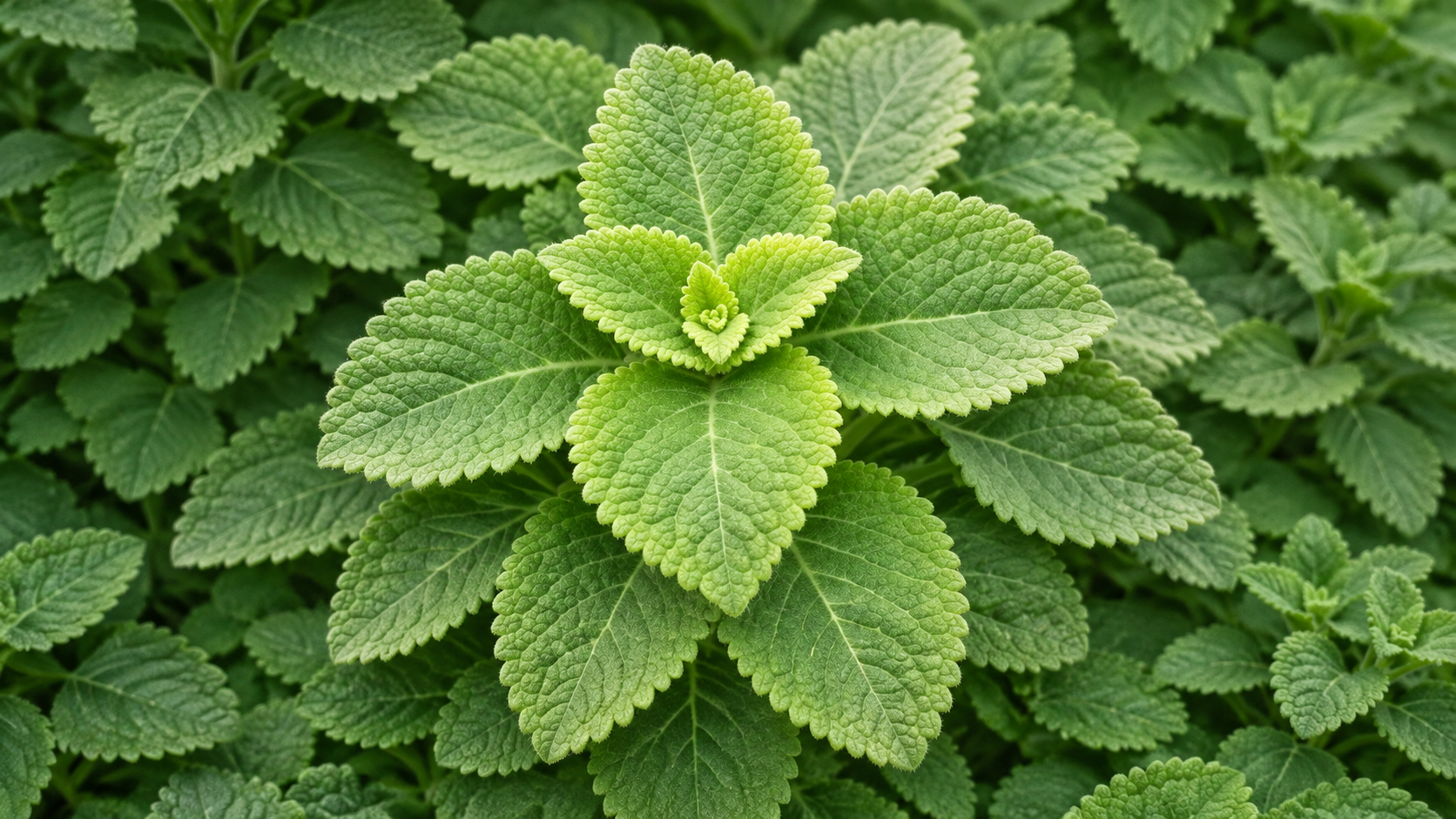
The post says one leaf a day can help with bronchitis, asthma, and digestive problems. There’s no reliable clinical evidence that eating one oregano leaf a day or drinking oregano tea treats those conditions. There’s also a detail worth knowing before you pick a leaf. The plant in the photo resembles Cuban oregano, which differs from the dried oregano most people keep in the spice cupboard.
Is the Plant in the Photo Really Oregano?
The wide, velvety leaves with scalloped edges resemble Cuban oregano, also known as Indian borage or Mexican mint. Its botanical name is Coleus amboinicus, and you may also see it listed as Plectranthus amboinicus. It has thick, fleshy leaves and a strong fragrance when crushed. A photo alone can’t confirm the plant’s identity.
Common culinary oregano, Origanum vulgare, typically has smaller leaves. It’s the herb commonly used in tomato sauce, roasted vegetables, and pizza. For the tea below, use oregano sold for cooking. If you’re shopping for a plant to grow at home, check the botanical name on the tag before using the leaves.
What Does the Research Say About Oregano?
Can Oregano Help With Bronchitis or Asthma?
Both common oregano and Cuban oregano have a history of traditional use for respiratory complaints. Common oregano contains aromatic compounds such as carvacrol and thymol, but effects observed in lab studies don’t show that a leaf or a cup of tea opens the airways, treats bronchitis, or controls asthma. If you have asthma, follow your prescribed action plan. Severe trouble breathing needs emergency care.
Can Oregano Help With Digestion?
Cuban oregano has also been used traditionally for digestive complaints such as gas. Evidence in people is too limited to say that one leaf a day will improve digestion or relieve vomiting or diarrhea. Concentrated oregano oil is a different preparation. At higher doses, it can cause symptoms such as heartburn, nausea, and diarrhea. If you’re making tea for the flavor, stick to culinary leaves.
Simple Oregano Tea Recipe
Makes 1 mug · Ready in about 6 minutes
Ingredients
- 1 cup hot water
- ¼ teaspoon dried culinary oregano or 1 teaspoon chopped fresh culinary oregano
- ½ teaspoon fresh lemon juice, optional
How to Make It
- Measure the oregano. Put it in a mug or a fine-mesh tea infuser. If you’re using fresh oregano, rinse it under running water before chopping it.
- Add the hot water. Pour it over the leaves, cover the mug with a small saucer, and steep for 3 minutes.
- Taste before steeping longer. Let a spoonful cool and take a sip. If you want a stronger flavor, leave the oregano in for another minute or two.
- Strain and serve. Remove the infuser or pour the tea through a fine-mesh strainer. Add the lemon if you want a brighter finish.
The amount in this recipe is a starting point for flavor. If the tea tastes too strong, add a splash of hot water. Next time, shorten the steep before changing the amount of oregano. A shorter steep often makes the difference between a lightly herbal cup and one that tastes like a mouthful of pizza seasoning.
Fresh Oregano vs Dried Oregano vs Oregano Oil
The word oregano can appear on a packet of leaves, a potted herb, and a bottle of concentrated oil. When you’re shopping, look at the form and what the label says it’s for. A small jar of plain dried culinary oregano works for this tea and can go straight into dinner, too. Essential oil is concentrated and can be harmful if swallowed or misused. Keep it out of the recipe.
| What you’ll find | Where to look | How to use it |
| Dried culinary oregano | Grocery store spice aisle | Use a small pinch in tea, soup, or tomato sauce. |
| Fresh culinary oregano | Fresh herb section or a nursery that sells culinary herbs | Chop a few leaves for dressings, vegetables, or a mug of tea. |
| Cuban oregano | Herb nurseries or specialty plant shops | Check the botanical name and confirm it’s sold for culinary use before cooking with it. Its strong flavor goes a long way. |
| Oregano essential oil | Essential oil or supplement aisle | Keep it out of homemade tea. |
Three Ways to Use Culinary Oregano in Food
- Lemon oregano dressing. Whisk 2 tablespoons olive oil with 1 tablespoon lemon juice, ¼ teaspoon dried oregano, and a pinch of salt. Let it sit for 5 minutes, then toss it with cucumber and tomato.
- Roasted potatoes. Toss 1 pound of chopped potatoes with 1 tablespoon olive oil and ½ teaspoon dried oregano before roasting. Give them a squeeze of lemon just before serving.
- Tomato sauce. Stir ½ teaspoon dried oregano into 2 cups of simmering tomato sauce. Taste after 10 minutes before adding more. If you’re using fresh leaves, chop them and stir them in near the end for a fresher herbal aroma.
Frequently Asked Questions
Do I Need to Eat One Oregano Leaf Every Day?
There’s no established one-leaf-a-day routine for breathing or digestion. A leaf from a Cuban oregano plant can also be much larger and stronger tasting than a leaf of common culinary oregano. For cooking, measure the herb and adjust to taste.
Can I Use Oregano From My Garden?
Yes, if you’ve confirmed that it’s a culinary oregano. If the plant was given to you without a label and you’re identifying it from the photo alone, use grocery-store oregano for the recipe.
Can I Brew It Without a Tea Infuser?
Yes. Steep the leaves loose in the mug, then pour the tea through a fine-mesh strainer. Dried oregano can leave little flecks behind, so use a fine sieve if you want a clearer cup.
Try a small mug first. If you like the aroma but find the taste too savory on its own, the lemon oregano dressing might be the recipe you come back to.