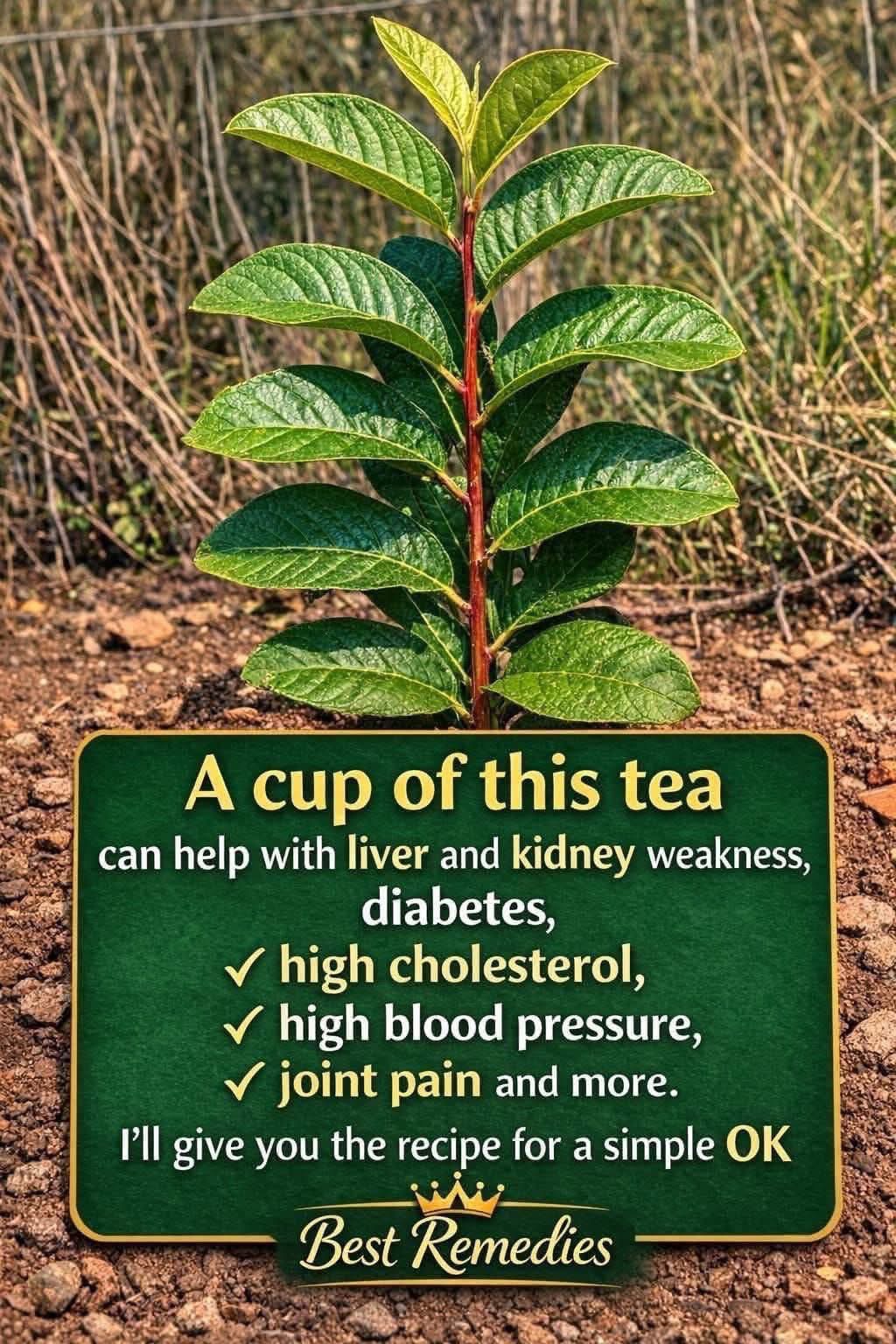
Guava leaf tea is a warm, earthy herbal drink traditionally prepared from the leaves of the guava tree, Psidium guajava.
Its flavor is slightly grassy, mildly bitter, and gently astringent. A little lemon, cinnamon, or honey can soften the taste without turning the cup into liquid candy.
Guava leaves contain natural plant compounds that researchers have studied for possible effects on digestion and blood sugar after meals. However, the tea does not cleanse damaged kidneys, repair the liver, cure diabetes, eliminate high blood pressure, lower cholesterol instantly, or remove chronic joint pain.
Its realistic value is as an occasional herbal drink that may complement healthy meals, hydration, movement, adequate sleep, and appropriate medical treatment.
What Are Guava Leaves?
Guava is a tropical tree best known for its fragrant green or yellow fruit with white, pink, or reddish flesh.
The leaves are firm, oval, and usually have clearly visible veins. They have been used in traditional food and herbal preparations in several parts of Asia, Africa, Latin America, and the Caribbean.
Guava leaf tea is prepared by steeping fresh or dried leaves in hot water.
Unlike guava fruit, the strained tea contains very little fiber. It should not be considered nutritionally identical to eating a fresh guava.
The leaves do contain polyphenols and other plant compounds, but their concentration can vary considerably according to the tree variety, growing conditions, leaf age, preparation method, and steeping time. Research on guava leaves includes laboratory, animal, and a limited number of small human studies.
What Guava Leaf Tea May Realistically Offer
A mild cup of guava leaf tea may be enjoyed as part of a varied diet.
It may help people drink more unsweetened fluids, especially when they are trying to replace soda, heavily sweetened tea, or packaged juice.
The tea also has a pleasantly dry flavor that pairs well with lemon or cinnamon.
Possible everyday uses include:
- A warm caffeine-free drink
- An unsweetened alternative to sugary beverages
- A traditional beverage after a meal
- A flavorful way to increase fluid intake
- An occasional addition to a balanced routine
Guava leaf tea should remain a beverage, not a home substitute for prescribed treatment.
Guava Leaf Tea and Blood Sugar
Guava leaves have attracted attention because some extracts may slow the digestion or absorption of certain carbohydrates.
Small human studies have reported a reduced rise in blood glucose after a carbohydrate-containing meal when guava leaf tea or standardized guava preparations were consumed. However, the evidence is still limited, products vary, and these findings do not prove that homemade tea can control diabetes safely on its own.
People with diabetes should continue following their established meal plan, glucose-monitoring routine, and prescribed treatment.
A homemade tea cannot replace insulin, metformin, or another glucose-lowering medicine.
Because the tea may potentially add to the effects of diabetes medication, regular use should be discussed with a doctor or pharmacist. Blood sugar that falls too low can cause sweating, shaking, weakness, dizziness, confusion, or fainting.
Blood Pressure and Cholesterol
Guava fruit and leaf preparations have also been studied in relation to cholesterol and blood pressure.
Some older studies involving guava fruit reported changes in blood lipids and blood pressure. However, fruit is not the same as leaf tea, and some leaf research has been performed mainly in animals rather than in large, well-controlled human trials.
A cup of tea should therefore not be expected to replace:
- Blood-pressure medication
- Cholesterol medication
- Regular blood tests
- Medical monitoring
- Exercise and balanced meals
- Reduced smoking or alcohol intake when relevant
Anyone taking medication for blood pressure should be cautious with concentrated herbal preparations. Combining several products that may lower blood pressure can sometimes contribute to dizziness, weakness, or fainting.
Liver and Kidney Claims
The liver and kidneys already perform essential functions such as processing substances, balancing fluids, and removing waste from the body.
Guava leaf tea has not been proven to “wash,” regenerate, or repair these organs in people.
Some laboratory and animal studies have explored guava extracts in relation to liver or kidney changes. Those experiments are useful for research, but they are not proof that a homemade cup treats fatty liver disease, hepatitis, kidney failure, kidney stones, or diabetic kidney damage.
People living with liver or kidney disease should be especially careful with herbal products.
Damaged organs may process certain compounds differently, and fluid or mineral restrictions may also apply. A healthcare professional familiar with the person’s diagnosis should approve regular use.
Symptoms such as yellow skin, very dark urine, swollen legs, reduced urination, blood in the urine, persistent vomiting, or severe abdominal or back pain need medical attention rather than a stronger cup of tea.
Can It Relieve Joint Pain?
A warm drink may feel comforting when the weather is cold or the body feels tired.
That soothing experience is real, but it is not the same as treating arthritis or rheumatic disease.
There is not enough reliable human evidence to say that homemade guava leaf tea removes chronic joint pain, rebuilds cartilage, or controls autoimmune inflammation.
Joint pain can result from injury, osteoarthritis, rheumatoid arthritis, gout, infection, nerve problems, or other conditions. Treatment depends on the cause.
Pain that continues, worsens, limits movement, or appears with heat and swelling deserves professional evaluation.
Homemade Guava Leaf Tea
This recipe makes a mild infusion suitable for occasional use.
Only use leaves from a guava tree that has been positively identified. Several unrelated plants have similar-looking leaves, and photographs alone are not always enough for safe identification.
Preparation time: 5 minutes
Steeping time: 10 minutes
Yield: 2 cups
Ingredients
- 5 medium fresh guava leaves
or 1 tablespoon dried food-grade guava leaves - 2½ cups water
- 1 thin slice fresh ginger, optional
- 1 small cinnamon stick, optional
- 1 to 2 teaspoons fresh lemon juice
- ½ to 1 teaspoon honey, optional
How to Prepare It
Inspect the leaves carefully.
Discard any that are moldy, badly damaged, covered with insects, or collected from a tree recently treated with pesticides.
Rinse fresh leaves thoroughly under clean running water.
Do not wash them with dish soap, bleach, or detergent. Food-safety guidance recommends washing produce with running water rather than household cleaning products.
Place the water in a small saucepan and bring it to a gentle boil.
Add the guava leaves.
When using ginger or cinnamon, add it at the same time.
Lower the heat and simmer gently for five minutes.
Turn off the heat and cover the saucepan.
Allow the leaves to steep for another five minutes.
Strain the tea into two cups, removing all leaves and spices.
Let it cool slightly.
Add lemon juice and honey according to taste.
Serve warm, or cool it before refrigerating.
Using Dried Guava Leaves
Dried leaves are convenient, but they should be sold specifically for food or tea preparation.
Do not use decorative leaves, unknown herbal powders, or leaves purchased without clear labeling.
To prepare dried leaves, use approximately one tablespoon for two cups of water.
Dried material can taste stronger than fresh leaves, so begin with less rather than producing a brew dark enough to remove the pattern from the cup.
Steep it for five to eight minutes, then strain carefully.
When the tea tastes harsh or extremely bitter, dilute it with additional warm water.
How Much Can You Drink?
There is no universally established medical dose for homemade guava leaf tea.
Begin with half a cup to assess tolerance.
When it causes no discomfort, an occasional cup is a more reasonable approach than consuming several concentrated bottles every day.
More is not automatically healthier.
Strong herbal tea may cause stomach discomfort or interact with medication, and the concentration of a homemade preparation cannot be measured precisely.
Avoid using the tea continuously for months without discussing it with a qualified healthcare professional.
Best Time to Drink It
Guava leaf tea can be enjoyed with or after a meal.
Because some research has explored its effect on post-meal blood glucose, it is sometimes served around mealtime. That does not create a reliable treatment schedule for diabetes.
People with sensitive stomachs may tolerate the tea better after eating rather than on an empty stomach.
Avoid drinking a large amount shortly before bed when nighttime bathroom visits are already a problem.
There is no special hour when the tea suddenly begins cleaning organs or lowering cholesterol.
Easy Variations
Guava Leaf and Lemon
Prepare the basic tea and add two teaspoons of fresh lemon juice.
This creates a brighter, fresher flavor.
Mild Cinnamon Tea
Simmer one small cinnamon stick with the guava leaves.
Remove it before serving.
Ginger Guava Tea
Add one or two thin slices of fresh ginger.
Use less ginger when you experience reflux or stomach sensitivity.
Cold Guava Leaf Tea
Cool the strained tea completely.
Refrigerate it and serve over ice with fresh mint and a lemon slice.
Unsweetened Version
Leave out the honey and add extra water when the tea tastes too bitter.
Sweetness is optional, especially for people monitoring blood sugar.
Storage Instructions
Guava leaf tea tastes best when freshly prepared.
Store leftovers in a clean glass jar or food-safe container with a tight lid.
Refrigerate the tea as soon as it has cooled.
Use it within 24 to 48 hours.
Do not leave the leaves sitting in the stored tea because the flavor may become increasingly bitter.
Add lemon slices and mint shortly before serving rather than leaving them in the container for several days.
Discard the tea if it develops mold, unexpected bubbles, a fermented smell, a slimy texture, or an unusual taste.
Freezing is possible.
Pour the cooled tea into an ice-cube tray and use the frozen cubes within one month.
Harvesting Guava Leaves Safely
Correct plant identification is essential.
Use leaves only from a known Psidium guajava tree.
Avoid harvesting beside busy roads, industrial areas, contaminated water, or places where animals frequently urinate.
Do not use leaves from a garden treated with an unknown pesticide, herbicide, or fungicide.
Young, healthy leaves are usually easier to clean, although mature leaves can also be used.
Never consume a wild leaf based only on an online photograph.
When there is any doubt, buy labeled, food-grade dried guava leaves from a reputable source instead.
Important Safety Precautions
People using medicine for diabetes or high blood pressure should speak with a doctor or pharmacist before regularly drinking guava leaf tea.
Herbs can sometimes strengthen, weaken, or otherwise alter the effects of medicines. The interaction may depend on the herb, medication, dose, and individual health condition.
Pregnant or breastfeeding individuals should avoid regular medicinal-strength use unless a qualified professional approves it.
Safety information for concentrated guava leaf preparations during pregnancy and breastfeeding is limited.
Children should not receive concentrated herbal tea as treatment for diabetes, diarrhea, fever, or another illness without pediatric guidance.
Stop drinking the tea if it causes:
- Nausea
- Significant stomach pain
- Persistent constipation or diarrhea
- Dizziness
- Weakness
- Itching or hives
- Swelling of the mouth or face
- Breathing difficulty
Breathing problems or facial swelling require urgent medical care.
Frequently Asked Questions
Can guava leaf tea cure diabetes?
No.
Some small studies suggest guava leaf preparations may influence blood glucose after meals, but the tea cannot cure diabetes or replace prescribed treatment.
Does it cleanse the kidneys?
No reliable human evidence shows that it cleans or repairs the kidneys.
People with kidney disease should obtain medical advice before using herbal preparations.
Can it treat fatty liver?
It has not been established as a treatment for fatty liver disease.
Balanced meals, physical activity, weight management when appropriate, and medical follow-up are more important.
Can I use fresh and dried leaves together?
Yes, but the result may be unnecessarily strong.
Choose one form and begin with a mild preparation.
Can I drink it cold?
Yes.
Strain it, cool it quickly, refrigerate it, and use it within 24 to 48 hours.
Can I add honey?
A small amount can soften the bitterness.
People monitoring blood sugar may prefer to omit it.
Does it remove arthritis pain?
It is not a proven treatment for arthritis.
Persistent joint pain, stiffness, heat, or swelling should be evaluated by a healthcare professional.
Final Thoughts
Guava leaf tea is a simple traditional drink with an earthy flavor and an interesting place in herbal-food research.
A mild cup may complement a balanced routine, especially when it replaces a heavily sweetened beverage.
Use correctly identified leaves, prepare a small fresh batch, and keep expectations realistic.
The best cup is not the one promising to repair every organ before breakfast. It is the one prepared safely, enjoyed slowly, and used without abandoning the medical care your body genuinely needs.