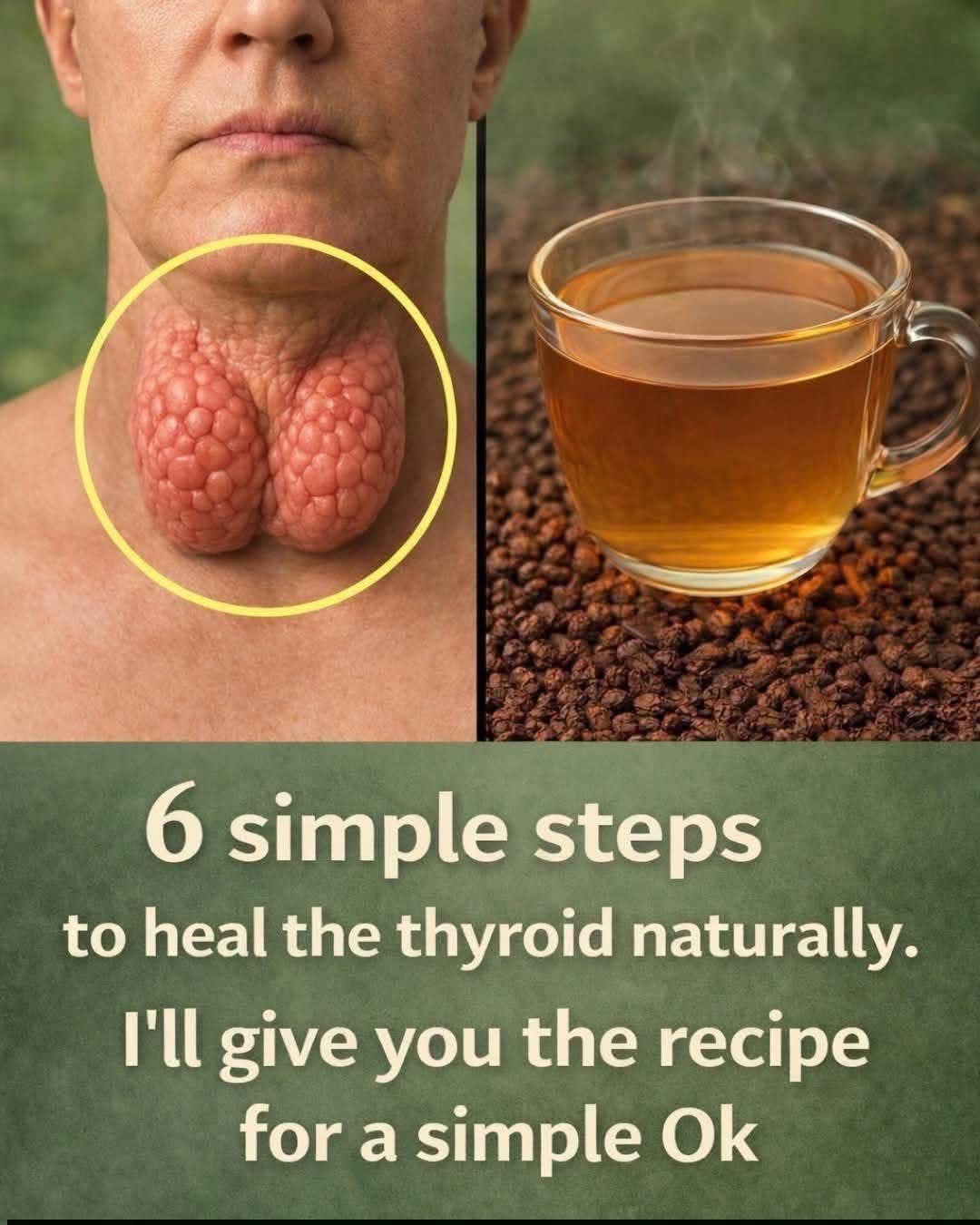
The thyroid is a small gland, but wow… it has a very big job.
It helps control energy, metabolism, body temperature, heart rhythm, digestion, mood, and many other body functions.
So when the thyroid is not working properly, the whole body can feel like it forgot how to cooperate.
Many people search for natural thyroid remedies, teas, and homemade recipes because they want something simple and comforting.
This herbal tea recipe is made to support a healthy lifestyle, not to replace medical treatment.
And that difference matters.
Hypothyroidism happens when the thyroid does not make enough thyroid hormones, and these hormones affect nearly every organ in the body.
Important Note
No tea can “heal the thyroid” by itself.
If someone has thyroid disease, they need proper testing and medical guidance.
Mayo Clinic explains that hypothyroidism is usually treated with levothyroxine, a thyroid hormone medicine taken daily.
So this recipe is best seen as a gentle wellness drink.
It may help you feel warm, relaxed, and refreshed.
But it should never replace prescribed thyroid medicine.
Grandma recipes are comforting, but your lab results still deserve respect.
Why People Love Thyroid Teas
Warm herbal drinks are popular because they feel calming.
They help people slow down.
They also make it easier to build a simple nighttime routine.
And honestly, sometimes one peaceful cup before bed feels like a tiny reset button for the whole day.
This recipe uses simple ingredients often found in the kitchen.
No expensive powders.
No strange capsules.
No “miracle thyroid detox” bottle from the internet.
Just a warm homemade drink.
Simple Thyroid Support Tea
This tea is made with cloves, ginger, lemon, and honey.
It is warming, aromatic, and easy to prepare.
The flavor is bold but comforting.
The cloves give warmth.
The ginger adds spice.
The lemon brings freshness.
The honey softens everything beautifully.
Ingredients
4 whole cloves
1 small slice fresh ginger
1 cup water
1 teaspoon honey
A few drops of lemon juice
Optional: 1 small cinnamon stick
How To Make It
Add the water to a small pot.
Bring it to a gentle boil.
Add the cloves and ginger.
Lower the heat.
Let it simmer for 7 to 10 minutes.
Turn off the heat.
Cover the pot for 3 more minutes.
Strain the tea into a cup.
Let it cool slightly.
Add honey and lemon.
Drink warm.
That’s it.
Simple.
Cozy.
Homemade.
When To Drink It
Many people enjoy this tea at night.
A warm drink before bed can help create a relaxing routine.
You can also drink it in the afternoon instead of sugary drinks.
There is no magic hour.
The best time is the time that feels good for your body.
Just avoid drinking too much liquid right before bed.
Nobody wants a “wellness routine” that turns into three bathroom trips.
What It Tastes Like
This tea tastes warm, spicy, and lightly sweet.
The cloves have a strong aroma.
The ginger gives it a little kick.
The lemon keeps it fresh.
The honey makes it smoother.
If the flavor feels too strong, use fewer cloves next time.
Tiny cloves look innocent, but they have a serious personality.
6 Simple Thyroid-Friendly Habits
This is where the “6 simple steps” idea becomes more realistic.
Instead of saying a tea heals the thyroid, it is better to focus on daily habits that support overall health.
Small habits matter.
Especially when repeated consistently.
1. Get Your Thyroid Checked
If you feel tired all the time, gain weight unexpectedly, feel cold often, notice dry skin, hair changes, constipation, or mood changes, speak with a healthcare professional.
Mayo Clinic notes that untreated hypothyroidism can lead to problems such as high cholesterol and heart issues over time.
A simple blood test can help doctors understand what is going on.
Guessing is stressful.
Testing is smarter.
2. Take Medicine Correctly
If your doctor prescribed thyroid medication, take it exactly as directed.
Do not stop it because you started drinking tea.
Do not change the dose alone.
The American Thyroid Association also notes that some medicines and supplements, including calcium, iron, antacids, and biotin, can affect thyroid pills or thyroid testing.
That means timing matters.
Always ask your doctor or pharmacist how to take thyroid medicine properly.
3. Eat Balanced Meals
Your thyroid and body need steady nutrition.
Focus on simple meals with protein, vegetables, whole grains, healthy fats, and enough fluids.
You do not need extreme diets.
You do not need to fear every food.
Balanced eating is usually more helpful than dramatic restriction.
The National Center for Complementary and Integrative Health warns that detox or cleanse diets may be risky and often lack strong evidence.
So instead of a harsh cleanse, choose regular nourishing meals.
Your body likes consistency.
Not punishment.
4. Be Careful With Supplements
Many thyroid “support” supplements online sound tempting.
But more is not always better.
Mayo Clinic explains that iodine supplements are usually not needed for many people with hypothyroidism and that levothyroxine is the safe and effective treatment when prescribed.
Too much of certain nutrients can cause problems.
Especially iodine.
Natural does not always mean harmless.
Even herbs and supplements need common sense.
5. Sleep And Stress Matter
Stress does not magically create every thyroid problem.
But poor sleep and constant stress can make the body feel worse overall.
A calm evening routine can help.
That is where warm tea can be useful.
Not because it cures the thyroid.
But because it helps you slow down.
A quiet cup.
A few deep breaths.
Less phone scrolling.
That alone can make nighttime feel better.
6. Move Your Body Gently
You do not need extreme workouts.
Walking, stretching, light strength exercises, or gentle movement can help support overall health.
Start slowly if you feel tired.
The goal is not to punish the body.
The goal is to care for it.
Some days, a walk is enough.
Some days, stretching is enough.
Progress does not always need to be dramatic.
Storage Tips
This tea is best fresh.
Make one cup at a time if possible.
If you prepare extra, store it in a covered jar in the refrigerator for up to 24 hours.
Warm it gently before drinking.
Do not keep it for many days.
Fresh tea tastes better anyway.
And old herbal tea in the fridge always starts looking suspicious.
Who Should Be Careful
Be careful with clove or ginger tea if you are pregnant, breastfeeding, taking blood-thinning medication, preparing for surgery, or have stomach ulcers, reflux, liver problems, kidney problems, or any serious medical condition.
Ask a healthcare professional before using herbal remedies regularly.
This is especially important if you already take thyroid medicine.
Supplements and herbs can interact with medications or create risks for some people.
Final Thoughts
This thyroid support herbal tea is warm, simple, and comforting.
It can be a lovely part of a calm evening routine.
But it is not a cure.
The real “thyroid support” comes from proper medical care, balanced food, correct medication use, good sleep, gentle movement, and safe daily habits.
The tea is just a cozy helper.
And honestly, sometimes that is enough.
A warm cup.
A quiet moment.
A little care for yourself.
And one small healthy routine you can actually repeat tomorrow.