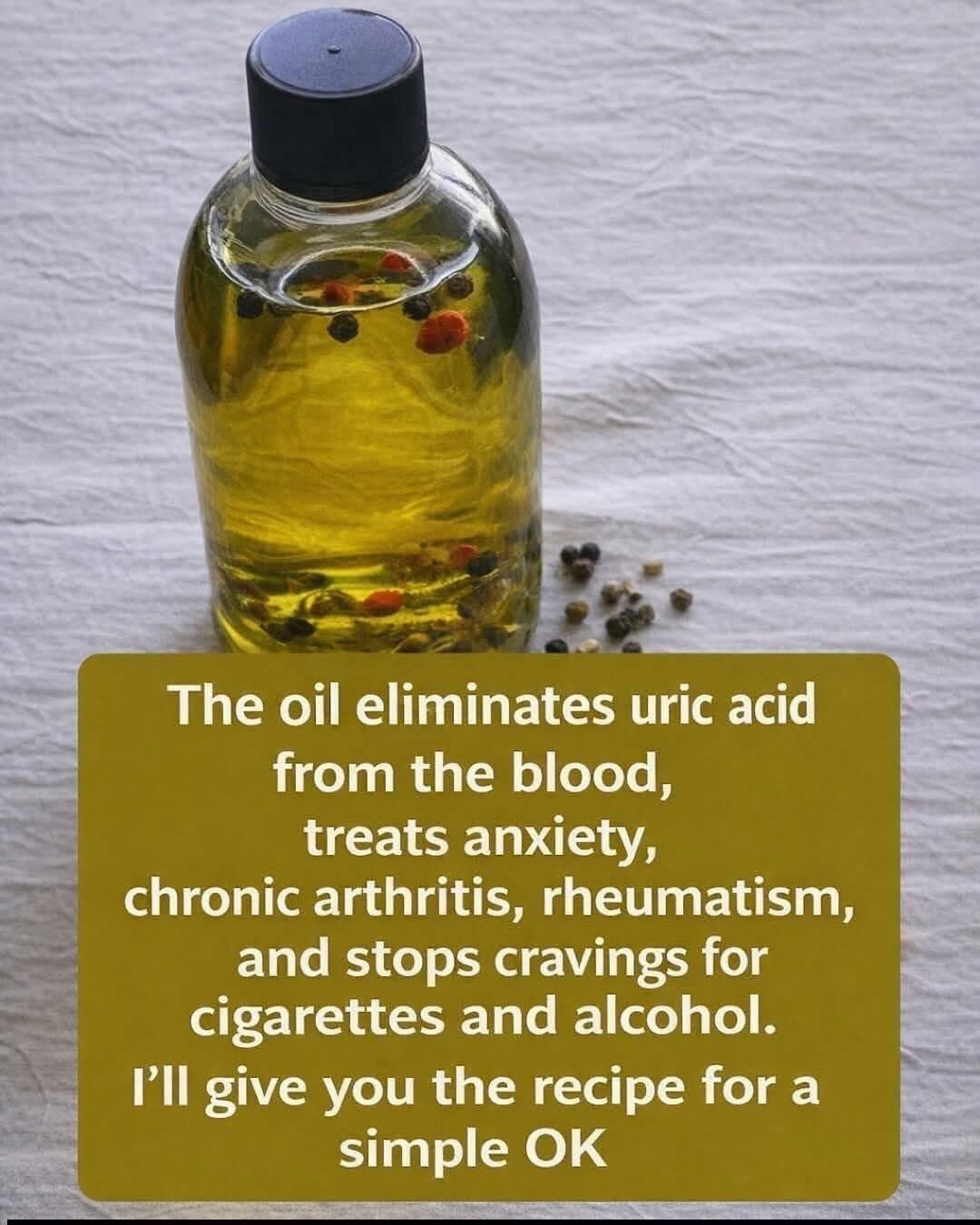
Social media is full of posts promoting so-called “miracle oils” that claim to eliminate uric acid, cure arthritis, stop anxiety, and even remove cravings for cigarettes or alcohol. While these claims can be tempting, the truth is much more balanced. Certain herbs and spices contain natural compounds that may support overall wellness, but no homemade oil can cure multiple medical conditions or replace professional healthcare.
That doesn’t mean herbal-infused oils aren’t worth making. Many people enjoy using them for massage, skin care, or as part of a relaxing self-care routine. When prepared safely and used appropriately, herbal oils can provide soothing aromas and nourishing plant compounds that complement a healthy lifestyle.
In this guide, we’ll explore a simple anti-inflammatory herbal oil recipe, discuss its potential benefits, explain how to use it safely, and separate facts from internet myths.
Why Herbal Oils Have Been Used for Centuries
Long before modern skincare products filled store shelves, people relied on plants to create oils for massage, relaxation, and skin care.
Herbs such as rosemary, black pepper, cloves, ginger, and garlic have been valued in traditional practices across many cultures.
Although modern science continues to study these plants, most benefits are linked to supporting overall wellness rather than acting as miracle cures.
What Makes Herbal Oils Special?
Carrier oils absorb plant compounds during infusion.
These oils may contain naturally occurring antioxidants and aromatic compounds that provide a pleasant massage experience.
Common carrier oils include:
- Extra virgin olive oil
- Sweet almond oil
- Grapeseed oil
- Coconut oil
- Avocado oil
Each has its own texture and skin feel.
Ingredients Often Used in Anti-Inflammatory Herbal Oils
Many homemade recipes include warming herbs and spices.
Popular choices include:
- Fresh ginger
- Whole cloves
- Black peppercorns
- Rosemary
- Turmeric
- Garlic
- Cinnamon sticks
These ingredients contain natural plant compounds that researchers continue to study.
However, they should not be viewed as treatments for serious diseases.
Simple Herbal Infused Oil Recipe
This recipe creates a fragrant massage oil for external use.
Ingredients
- 2 cups extra virgin olive oil
- 2 tablespoons sliced fresh ginger
- 1 tablespoon whole cloves
- 1 teaspoon black peppercorns
- 2 sprigs fresh rosemary
Instructions
Place all ingredients into a clean glass jar.
Pour the olive oil over the herbs until everything is fully covered.
Seal the jar tightly.
Store it in a cool, dark place for two to three weeks.
Shake the jar gently every day.
After the infusion period, strain the oil through a fine mesh sieve or cheesecloth.
Transfer the finished oil into a clean bottle.
Store away from heat and direct sunlight.
How to Use the Oil
This herbal oil is intended for external use only.
Massage a small amount onto:
- Hands
- Shoulders
- Knees
- Feet
- Neck
- Lower back
Gentle massage may help relax tight muscles after a long day.
Always perform a patch test before using any homemade skincare product.
Can Herbal Oils Remove Uric Acid?
This is a common internet claim.
Currently, there is no scientific evidence showing that applying herbal oil to the skin removes uric acid from the bloodstream.
High uric acid levels should be managed with guidance from a qualified healthcare professional.
Lifestyle changes, hydration, and prescribed treatments remain the most evidence-based approaches.
Can Herbal Oils Cure Arthritis?
No.
Arthritis has many causes and usually requires medical evaluation.
Massage with warm herbal oil may temporarily help some people feel more comfortable by relaxing surrounding muscles and improving circulation to the skin.
However, it does not cure arthritis or reverse joint damage.
What About Anxiety?
The gentle ritual of massage itself can feel relaxing.
Pleasant herbal aromas may also create a calming atmosphere for some people.
Activities that may support relaxation include:
- Deep breathing
- Gentle stretching
- Warm baths
- Massage
- Meditation
- Regular exercise
These practices can complement—but not replace—professional mental health care when needed.
Can Herbal Oils Stop Smoking or Alcohol Cravings?
No reliable scientific evidence supports claims that homemade herbal oils eliminate cravings for nicotine or alcohol.
People trying to quit smoking or reduce alcohol use should consider evidence-based support, including healthcare professionals, counseling, and approved treatment programs.
Why Olive Oil Makes a Great Base
Extra virgin olive oil is rich in healthy fats and natural antioxidants.
When used on the skin, it can help reduce moisture loss and leave the skin feeling soft.
Its mild scent also blends well with herbs and spices.
Store Homemade Oils Safely
Because fresh herbs contain moisture, proper storage is important.
Follow these tips:
- Use clean, dry jars.
- Keep oil away from sunlight.
- Store in a cool location.
- Discard the oil if it develops an unusual smell, mold, or cloudiness.
Proper hygiene helps extend shelf life.
Healthy Habits Matter More
No single oil can transform your health.
Long-term wellness is built through simple daily habits.
These include:
- Eating balanced meals.
- Staying physically active.
- Drinking enough water.
- Sleeping well.
- Managing stress.
- Avoiding smoking.
- Limiting alcohol.
- Following medical advice.
These habits have far stronger scientific support than miracle remedies.
Frequently Asked Questions
Can I cook with this infused oil?
If prepared using fresh herbs, it’s generally safer to reserve it for external use unless you follow established food-safety guidelines for infused oils.
How often can I use it?
Many people enjoy using herbal massage oils a few times each week, depending on their skin’s sensitivity.
Is it safe for everyone?
People with sensitive skin or allergies should perform a patch test before using any herbal oil.
Can children use it?
Consult a healthcare professional before using homemade herbal products on children.
Final Thoughts
Homemade herbal oils can be a pleasant addition to your self-care routine. Infused with ingredients such as ginger, rosemary, cloves, and olive oil, they offer a soothing massage experience and help nourish the skin. While these plants contain interesting natural compounds, current scientific evidence does not support claims that they eliminate uric acid, cure arthritis, treat anxiety, or stop cravings for cigarettes or alcohol.
Enjoy herbal oils for what they are—a relaxing wellness ritual rather than a miracle cure. Combined with healthy eating, regular exercise, good sleep, stress management, and appropriate medical care, simple daily habits remain the most effective path toward long-term health and well-being.