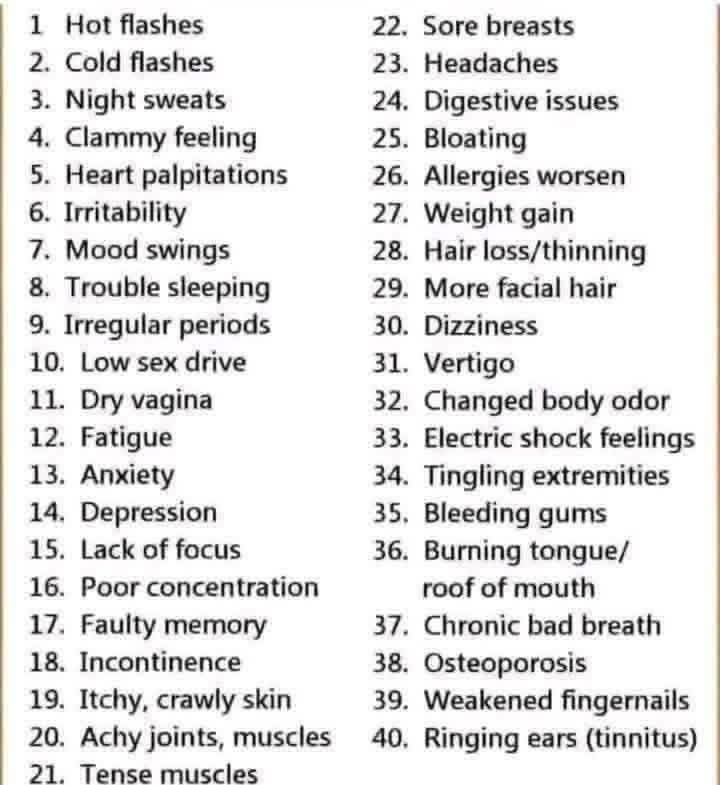
Menopause can bring far more changes than hot flashes alone.
Sleep may suddenly become unpredictable. Joints can feel stiffer, concentration may wander, skin may become drier, and moods can sometimes feel as though someone keeps changing the radio station without asking.
Some women experience only a few symptoms, while others notice several during perimenopause and menopause.
Food cannot switch menopause off, but nourishing meals, enough protein, regular movement, good sleep habits, and appropriate medical care can make this stage of life easier to navigate.
One simple recipe to keep around is this creamy berry, soy, and flaxseed smoothie. It provides protein, calcium when fortified ingredients are used, fiber, fruit, and healthy fats without relying on questionable “menopause miracle” supplements.
Common Menopause Changes
Menopause usually develops gradually.
The years leading up to the final menstrual period are called perimenopause. During this time, hormone levels fluctuate and periods can become irregular.
Common symptoms may include:
- Hot flashes
- Night sweats
- Chills
- Sleep problems
- Mood changes
- Irritability
- Difficulty concentrating
- Memory complaints
- Vaginal dryness
- Reduced sex drive
- Headaches
- Joint and muscle discomfort
- Heart palpitations
- Urinary urgency
- Hair thinning
- Dry or itchy skin
Not everyone experiences the same symptoms.
And importantly, not every headache, dizzy spell, digestive problem, or episode of fatigue in midlife should automatically be blamed on menopause.
Persistent or unusual symptoms deserve proper evaluation.
Why Hot Flashes Happen
Hot flashes are among the most recognizable menopause symptoms.
They often cause a sudden feeling of intense warmth around the face, neck, or chest.
Sweating may follow.
Some women then feel chilly afterward.
Night sweats are essentially hot flashes occurring during sleep, which explains why they can leave someone wide awake at 3 a.m. wondering what happened to the peaceful night they were promised.
Hot flashes can continue for years in some women, although their intensity often changes over time.
A Berry Soy Menopause Smoothie
This smoothie isn’t a hormone treatment.
It is simply a convenient way to combine several nutritious foods into one breakfast or snack.
Preparation time: 5 minutes
Servings: 1 large or 2 smaller servings
Ingredients
- 1 cup unsweetened fortified soy milk
- ½ cup plain Greek yogurt or unsweetened soy yogurt
- 1 cup frozen mixed berries
- ½ small banana
- 1 tablespoon ground flaxseed
- 1 tablespoon chia seeds
- 2 tablespoons rolled oats
- ¼ teaspoon cinnamon
- ½ teaspoon vanilla extract
- 3 to 4 ice cubes
- 1 teaspoon honey, optional
Choose soy milk fortified with calcium and vitamin D when possible.
How to Make It
Add the soy milk to the blender first.
Follow with the yogurt, berries, banana, ground flaxseed, chia seeds, oats, cinnamon, and vanilla.
Blend for about 30 to 45 seconds.
Add the ice and blend again until creamy.
If the smoothie is too thick, add a splash of soy milk or cold water.
Taste before adding honey.
The banana and berries may already make it sweet enough.
Drink immediately for the best texture.
Why Soy Is Often Mentioned During Menopause
Soy foods contain naturally occurring compounds called isoflavones.
These belong to a broader group known as phytoestrogens because their structure has some similarities to estrogen.
Research into soy and menopause symptoms has produced mixed results.
Some studies suggest soy foods or soy isoflavones may modestly reduce hot flashes for some women, while others find little difference.
That means soy should not be treated like natural hormone replacement therapy.
Still, foods such as tofu, edamame, tempeh, and unsweetened soy milk provide valuable protein and can fit beautifully into a balanced diet.
Why Add Flaxseed?
Flaxseed contributes fiber, plant-based omega-3 fats, and lignans.
Ground flaxseed is preferable in smoothies because whole flaxseeds can sometimes pass through digestion largely intact.
Flaxseed has also been promoted heavily for hot flashes.
The evidence for specifically relieving menopause symptoms is not convincing enough to call it a treatment.
Its real value is simpler.
It is a nutritious seed that can increase fiber and healthy fats in breakfast.
One tablespoon is plenty.
Calcium and Bone Health
Bone health becomes especially important after menopause.
Declining estrogen levels can accelerate bone loss, increasing the risk of osteoporosis over time.
That makes calcium, vitamin D, resistance exercise, and other bone-supportive habits increasingly important.
Useful calcium-containing foods may include:
- Milk
- Yogurt
- Fortified soy milk
- Calcium-set tofu
- Some leafy greens
- Canned salmon or sardines with edible bones
Check fortified beverage labels because calcium content varies considerably.
Strength training and weight-bearing activities such as walking can also support bone health.
Protein Matters Too
Maintaining muscle becomes increasingly important with age.
Protein helps preserve and repair body tissues and works best alongside regular physical activity.
Good protein choices include:
- Eggs
- Fish
- Chicken
- Yogurt
- Cottage cheese
- Beans
- Lentils
- Tofu
- Tempeh
- Soy foods
Instead of saving nearly all your protein for dinner, spread protein-containing foods throughout the day.
Your muscles prefer regular attention rather than receiving everything at 8 p.m. like an overdue delivery.
Foods That May Help You Feel Better
There isn’t a special menopause diet that works for everyone.
A practical pattern is built mostly around minimally processed foods.
Try including plenty of:
- Vegetables
- Fruit
- Whole grains
- Beans
- Nuts
- Seeds
- Healthy fats
- Appropriate protein foods
Hydration matters too.
Hot flashes and night sweats can leave some women feeling thirsty, so keeping cold water nearby can be useful.
Identifying Your Hot-Flash Triggers
Not every woman has obvious triggers.
For those who do, common ones may include:
- Alcohol
- Caffeine
- Spicy foods
- Very hot drinks
- Warm rooms
- Stress
Keeping a simple symptom diary for a couple of weeks can help.
Write down when hot flashes happen and what you ate or drank beforehand.
You may notice a pattern.
If there isn’t one, don’t spend your entire life removing perfectly good foods while desperately hunting for a culprit.
Trouble Sleeping
Menopause-related sleep problems are common.
Night sweats can wake you repeatedly, but hormonal changes are not always the only factor.
Helpful habits include keeping the bedroom comfortably cool, maintaining fairly regular sleep and waking times, and limiting caffeine later in the day.
Heavy meals and large amounts of alcohol close to bedtime may also interfere with sleep.
If snoring is loud, breathing repeatedly stops during sleep, or daytime sleepiness becomes severe, ask about sleep apnea.
It can appear or worsen around midlife and deserves proper assessment.
Mood and Concentration Changes
Some women notice irritability, anxiety, low mood, forgetfulness, or difficulty concentrating.
Poor sleep can make these problems considerably worse.
Regular movement, social connection, stress management, and adequate sleep can help support emotional wellbeing.
But persistent depression or anxiety shouldn’t simply be dismissed as “just hormones.”
Support and effective treatments are available.
Vaginal and Urinary Changes
Lower estrogen levels can cause vaginal tissues to become thinner and drier.
This may lead to discomfort, burning, painful sex, or urinary symptoms.
Over-the-counter vaginal moisturizers and appropriate lubricants can help some women.
Medical treatments are also available, including local vaginal estrogen for suitable patients.
Don’t put vinegar, essential oils, herbs, garlic, lemon, or homemade mixtures inside the vagina.
Sensitive tissue is not the place for kitchen experiments.
Hair and Skin Changes
Skin may become drier with age and hormonal changes.
A gentle routine often works better than aggressive treatments.
Use a mild cleanser and regular moisturizer.
For exposed skin, sun protection remains one of the most useful long-term skincare habits.
Hair may also become thinner.
Adequate protein, iron, zinc, and overall nutrition matter, but sudden or significant hair loss can have other causes such as thyroid problems, iron deficiency, medication effects, or genetic hair loss.
If shedding changes dramatically, get it evaluated.
Joint and Muscle Discomfort
Joint aches and muscle discomfort are frequently reported during menopause.
Movement usually helps more than becoming completely inactive.
Consider activities such as:
- Walking
- Swimming
- Cycling
- Resistance training
- Gentle stretching
- Yoga
Start gradually if you’ve been inactive.
Persistent swelling, redness, severe pain, or prolonged morning stiffness may indicate something besides menopause and should be evaluated.
Smoothie Variations
You can easily change the recipe depending on what you have.
Tropical Version
Replace the berries with:
- ½ cup mango
- ½ cup pineapple
Add a little lime juice.
Chocolate Version
Add:
- 1 teaspoon unsweetened cocoa powder
- Extra ½ banana
Skip the berries if desired.
Green Version
Add one handful of baby spinach.
Its flavor is surprisingly mild once blended with berries and banana.
Soy-Free Version
Use dairy milk or another fortified unsweetened milk alternative.
Keep in mind that many plant milks contain considerably less protein than soy milk or dairy milk.
Storage
Smoothies taste best immediately after blending.
If necessary, pour leftovers into a clean airtight container.
Refrigerate promptly and use within about 24 hours.
Shake or stir before drinking because chia, flaxseed, and fruit naturally thicken and separate over time.
You can also prepare freezer smoothie bags.
Place the berries, banana, and spinach in small freezer bags.
Freeze them.
When you’re ready, empty one bag into the blender and add the soy milk, yogurt, seeds, and oats.
It makes busy mornings much easier.
When to Speak With a Healthcare Professional
Menopause symptoms are treatable.
You do not need to struggle through severe symptoms simply because menopause is a natural stage of life.
Speak with a healthcare professional if hot flashes, sleep problems, mood changes, vaginal symptoms, or other issues significantly interfere with daily life.
Hormone therapy is an effective option for many people with troublesome menopause symptoms, although whether it is appropriate depends on individual health history.
Nonhormonal prescription treatments are also available.
Natural supplements aren’t automatically safer.
Some interact with medicines, and evidence for popular menopause supplements is often limited.
Bleeding After Menopause Needs Checking
This point deserves special attention.
Menopause is generally considered reached after 12 consecutive months without a menstrual period.
Any new vaginal bleeding or spotting after that point should be medically evaluated.
Even a small amount deserves attention.
Most causes aren’t cancer, but postmenopausal bleeding can occasionally be an early sign of a serious condition, and earlier evaluation is better.
Frequently Asked Questions
Can this smoothie stop hot flashes?
No recipe can guarantee that.
Soy foods may provide modest benefit for some women, but responses vary.
Can I drink it every day?
For many healthy adults, yes.
Rotate your fruits, seeds, and other foods during the week for greater variety.
Does menopause cause weight gain?
Body composition and fat distribution can change around midlife, while aging, sleep, activity, and calorie intake also play major roles.
One food or supplement cannot prevent all weight changes.
Does flaxseed balance hormones?
Flax contains phytoestrogens, but it should not be treated as a hormone-balancing medication.
Enjoy it for its fiber and healthy fats.
Can menopause cause heart palpitations?
Some women report more noticeable heartbeats during menopause.
New, persistent, severe, or irregular palpitations—especially with chest pain, fainting, or shortness of breath—should be evaluated.
How long can menopause symptoms last?
They vary enormously.
Some women have relatively brief symptoms, while others experience hot flashes or other changes for many years.
Is everything on a “40 menopause symptoms” list caused by menopause?
No.
Many symptoms overlap with other health problems.
A list can help someone recognize patterns, but it shouldn’t replace diagnosis.
Final Thoughts
Menopause can affect sleep, temperature regulation, mood, joints, skin, sexual comfort, and much more.
It can feel overwhelming when several changes arrive at once.
The answer isn’t one miracle seed, tea, powder, or smoothie.
A nourishing diet, enough protein and calcium, regular movement, good sleep habits, appropriate medical care, and a little patience with yourself can make this transition much more manageable.
Keep the berry soy smoothie as an easy recipe for busy mornings.
It won’t solve forty symptoms overnight—but it’s colorful, nourishing, filling, and considerably more useful than another jar promising to “balance every hormone” by Tuesday.