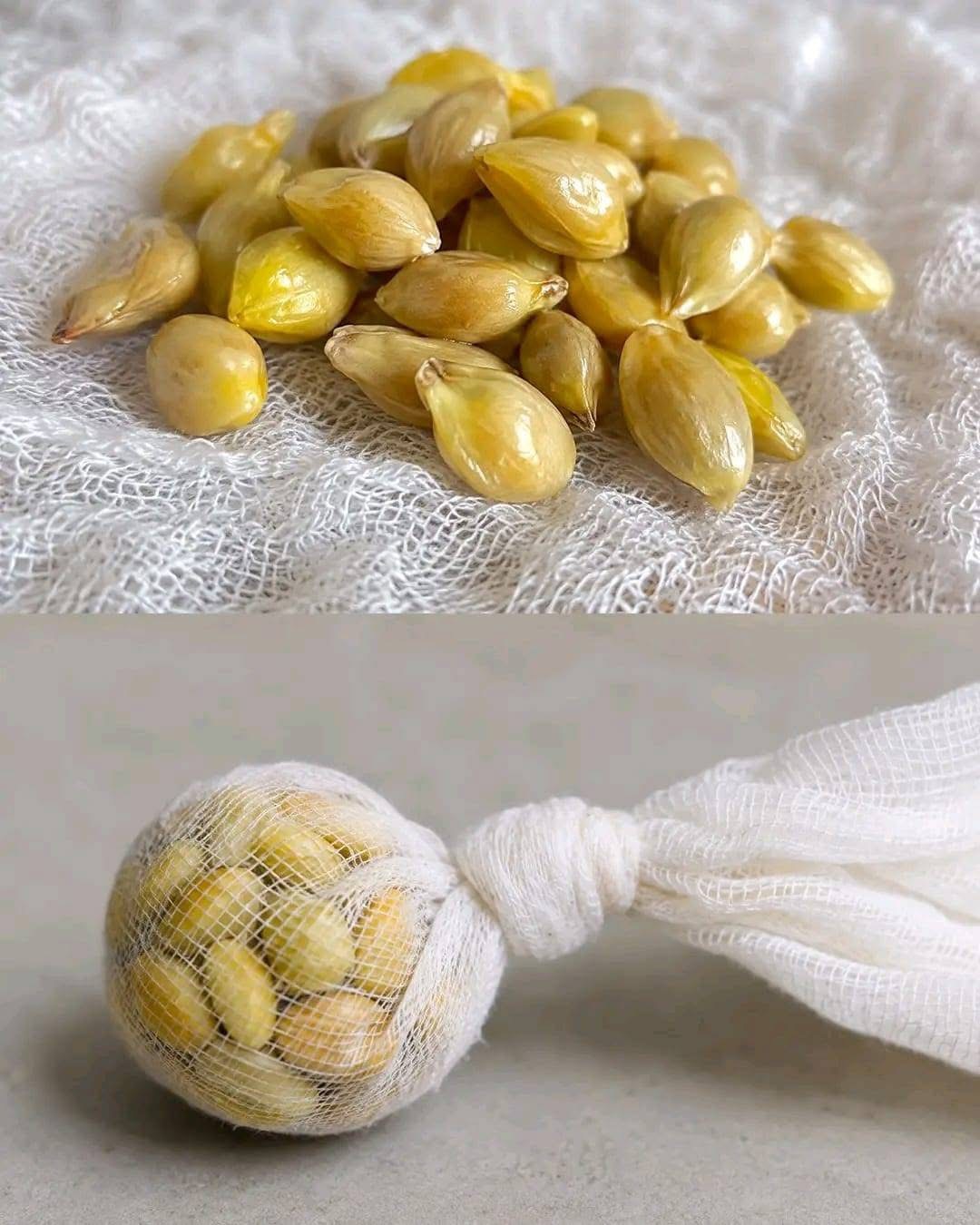
The next time you squeeze a lemon, take a quick look at those little seeds before tossing them into the trash. 🍋
Lemon seeds may seem useless, but they can actually be saved for several practical kitchen and gardening projects. You can sprout them into attractive citrus plants, use them as a natural source of pectin when making homemade marmalade, or simply dry and store them for later planting experiments.
They are not a miracle medicine, and there is no good reason to grind large quantities into drinks or swallow spoonfuls as a supplement. Their real value is much more down-to-earth—and honestly, much more fun.
What Are Lemon Seeds Good For?
A fresh lemon can contain anywhere from a couple of seeds to quite a handful, depending on the variety.
Instead of automatically discarding them, consider using them for:
- Growing a lemon plant
- Starting a small indoor citrus tree
- Helping homemade marmalade set
- Gardening experiments with children
- Creating inexpensive houseplants
- Learning how citrus seeds germinate
One lemon may give you enough seeds to start several little plants.
Not every seed will germinate, so having extras is useful.
The Easiest Use: Grow a Lemon Plant
Growing lemon seeds is probably the most satisfying reason to save them.
You don’t need complicated equipment.
A pot, some soil, water, and patience are enough.
The resulting plant may eventually develop glossy green leaves with that unmistakable citrus fragrance.
There is one thing to know before you begin: a lemon tree grown from seed may not produce fruit identical to the lemon it came from.
Seed-grown citrus can also take many years before flowering or fruiting.
So grow it because you enjoy the plant first.
Any future lemons are a bonus.
How to Prepare Lemon Seeds
Choose seeds from a fresh, ripe lemon.
Remove them while squeezing or cutting the fruit.
Rinse the seeds under cool water to remove pulp and juice.
Sticky fruit residue can encourage mold while the seeds are germinating.
Select the plumpest seeds.
Discard any that are:
- Broken
- Very flat
- Dark and shriveled
- Moldy
- Damaged by the knife
Fresh seeds usually germinate better than seeds that have been left drying on the counter for weeks.
Method 1: Plant Lemon Seeds Directly in Soil
This is the simplest method.
You Will Need
- 6 to 10 fresh lemon seeds
- One small pot with drainage holes
- Fresh potting mix
- Water
- A clear bag or loose cover, optional
Step 1: Fill the Pot
Fill the pot with moist potting soil.
The soil should feel damp but not soaking wet.
Leave about 1 inch of space at the top.
Step 2: Plant the Seeds
Push each seed about ½ inch into the soil.
Space them slightly apart.
Cover gently with potting mix.
Step 3: Add Water
Mist or lightly water the soil.
Avoid pouring so aggressively that the seeds float back to the surface.
Step 4: Keep Them Warm
Place the pot somewhere warm with bright indirect light.
A loose clear cover can help retain moisture while germination begins.
If you use one, open it regularly so fresh air can circulate.
Step 5: Wait
Keep the soil lightly moist.
Depending on conditions, seedlings may appear within a few weeks.
Once they emerge, give them plenty of bright light.
When several true leaves develop, the strongest seedlings can be moved into individual pots.
Method 2: The Damp Paper Towel Method
This method is fun because you can actually watch the seeds begin to sprout.
You Will Need
- Fresh cleaned lemon seeds
- Paper towel
- Water
- Resealable food bag or small container
Instructions
Dampen the paper towel.
It should be moist rather than dripping.
Place the seeds on one half of the towel.
Fold the other half over them.
Put the folded towel inside the bag or container.
Do not leave it sitting in direct hot sunlight.
Check the seeds every few days.
If the towel starts drying, add a tiny amount of water.
Once a seed develops a visible root, carefully transfer it to potting soil.
Plant it with the root pointing downward.
Handle the tiny root gently—it is the fragile beginning of your new plant.
Caring for a Young Lemon Plant
Lemon seedlings appreciate plenty of light.
An indoor plant usually does best near a sunny window.
Rotate the pot occasionally so the plant grows evenly instead of leaning dramatically toward the glass like it is desperately trying to escape.
Water when the upper part of the soil begins to feel dry.
Avoid keeping the soil constantly waterlogged.
Good drainage is especially important because citrus roots don’t enjoy sitting in soggy soil.
As the plant becomes larger, move it into a slightly bigger pot.
Do not jump immediately from a tiny seedling pot to an enormous container. Gradually increasing the pot size usually makes watering easier.
Can a Seed-Grown Lemon Tree Produce Lemons?
Possibly—but patience is required.
A seedling grown from a supermarket lemon can take several years before it is mature enough to flower.
It may also produce fruit that differs from the original lemon.
Commercial citrus trees are often propagated through grafting rather than simply planting seeds because grafting provides much more predictable fruit and earlier production.
For a home gardening experiment, though, seed-grown lemons are still great fun.
Even without fruit, the glossy leaves make an attractive houseplant.
Lemon Seeds for Homemade Marmalade
Here’s another old-fashioned kitchen trick.
Citrus seeds naturally contain pectin, a substance that helps fruit preserves thicken.
When making lemon or orange marmalade, the seeds and some of the white citrus pith can be enclosed in a small cheesecloth bag and simmered with the fruit.
You remove the bag before filling your jars.
The pectin released during cooking can help the marmalade develop a better set.
Simple Lemon Marmalade
Ingredients
- 4 medium lemons
- Seeds reserved from the lemons
- 4 cups water
- 3 cups granulated sugar
- Small piece of clean cheesecloth
- Kitchen string
Preparation
Wash the lemons thoroughly.
Slice them very thinly and remove the seeds.
Place the seeds in the center of a small square of cheesecloth.
Tie securely with kitchen string.
Place the sliced lemons, water, and seed bag in a large saucepan.
Bring to a boil.
Reduce the heat and simmer gently until the lemon peel becomes tender.
Remove the seed bag carefully.
Add the sugar.
Stir until completely dissolved.
Bring the mixture back to a steady boil.
Cook until the marmalade reaches its proper setting point.
Transfer to clean containers.
If you are making refrigerator marmalade, cool and refrigerate it promptly.
For shelf-stable pantry canning, use a tested canning recipe and the exact recommended processing method rather than improvising.
Why the Cheesecloth Bag Matters
You don’t want loose lemon seeds floating throughout your finished marmalade.
The bag allows the natural pectin to escape while keeping the seeds contained.
Once cooking is complete, remove and discard them.
This is one of those wonderfully practical traditional kitchen techniques that sounds almost too simple to work.
But sometimes Grandma’s little cloth bag had a very good reason for being there.
Should You Eat Lemon Seeds?
Accidentally swallowing one or two lemon seeds is generally not something most healthy adults need to panic about.
They are extremely bitter, though, and there is little reason to deliberately eat them in large quantities.
Do not grind large amounts of lemon seeds into homemade supplements or claim they cure diseases.
There’s no established medicinal serving of lemon seeds.
Their better uses are planting and cooking techniques such as pectin extraction.
Whole seeds can also be a choking hazard for very young children, so remove them when preparing lemon drinks or foods for little ones.
Don’t Put Lemon Seed Preparations in the Eyes
Lemons are sometimes used in viral eye-health recipes.
Keep all lemon juice, seed preparations, and homemade citrus mixtures away from the eyes.
Lemon juice is acidic and can cause significant irritation.
No lemon seed drink, extract, or homemade eye drop can remove cataracts or restore lost eyesight.
Keep your lemon experiments in the kitchen or garden where they belong.
How to Save Seeds for Later
Fresh seeds are easiest to germinate.
If you cannot plant them immediately, rinse them well and remove all fruit residue.
Pat dry gently.
For a short delay, keep them in a slightly damp paper towel inside a container in the refrigerator.
Try to plant them relatively soon.
If you dry them completely for long storage, germination may become less reliable.
Because lemons usually provide several seeds at once, plant more than you need and keep the strongest seedlings.
Common Growing Mistakes
Letting the Soil Stay Soaked
Too much water can encourage root problems.
Moist is good.
Swampy is not.
Not Giving Enough Light
Young citrus seedlings need bright light to grow strongly.
Weak, stretched stems often indicate insufficient light.
Planting Only One Seed
Not every lemon seed germinates.
Plant several and select the healthiest plants later.
Expecting Fruit Next Year
A seed-grown lemon is a long-term project.
Enjoy the plant itself rather than staring at it every morning demanding breakfast lemons.
Planting Moldy Seeds
Always use clean, healthy seeds.
Fruit pulp left on the seed can encourage fungal growth.
Frequently Asked Questions
Can I plant seeds from a supermarket lemon?
Yes.
Fresh supermarket lemon seeds can often germinate successfully.
Do I need to dry lemon seeds before planting?
No.
Freshly cleaned seeds can be planted directly and often germinate more reliably than completely dried seeds.
How long do lemon seeds take to sprout?
It varies with temperature and moisture, but germination often takes a few weeks.
Can I grow them indoors?
Yes.
A sunny indoor location can work well, especially when the plant is young.
Will my tree produce the same lemons?
Not necessarily.
Seed-grown citrus can differ from the fruit it came from.
Can I use the seeds in jam?
Yes.
Citrus seeds can be enclosed in cheesecloth and simmered with marmalade ingredients to contribute natural pectin.
Can I drink lemon seed water?
There’s no special need to.
Use the lemon itself for flavored water and save the seeds for planting instead.
Final Thoughts
Those little seeds left behind after squeezing a lemon are not worthless at all.
They can become tiny citrus plants, help provide pectin for homemade marmalade, and turn an ordinary kitchen scrap into a fun gardening project.
Just keep the claims realistic.
You don’t need to eat handfuls of seeds or turn them into mysterious wellness powders.
Rinse them, plant them, watch the first green shoot appear, and suddenly the seed you almost threw away feels surprisingly valuable.
Sometimes the best kitchen “secret” isn’t a miracle remedy.
It’s simply realizing that what looked like waste can grow into something new.