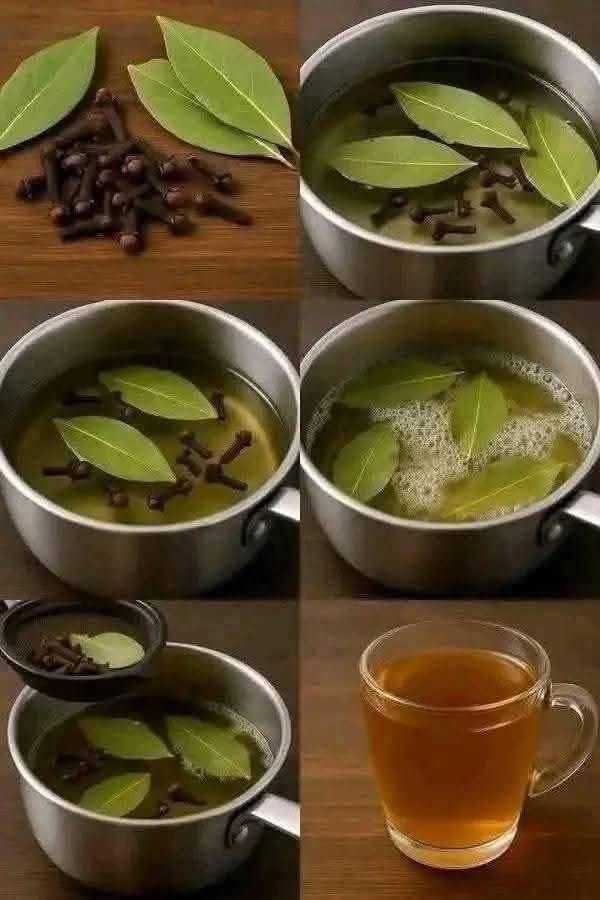
Bay leaves and cloves create a wonderfully aromatic tea with a warm, spicy fragrance that feels especially comforting on cool mornings or quiet evenings.
The combination is simple: dried bay leaves provide a slightly herbal, woodsy flavor, while cloves add warmth and a naturally sweet aroma. A touch of lemon or honey can soften the stronger notes and turn it into an easy homemade drink.
Bay leaves and cloves have long histories in traditional cooking and household remedies, but this tea should be enjoyed as a flavorful wellness drink rather than a treatment for cancer or vision loss. It cannot remove cancer cells, prevent blindness, dissolve cataracts, or replace medication or professional care.
Still, there is plenty to appreciate about these two familiar spices without asking one little cup to perform medical miracles.
What Are Bay Leaves?
Bay leaves are the aromatic leaves commonly added to soups, stews, sauces, beans, and slow-cooked dishes.
The culinary bay most people use is Laurus nobilis, sometimes called sweet bay or bay laurel.
Dried bay leaves release their aroma slowly when heated in liquid.
That is exactly why they work well in tea.
The flavor is subtle at first, then develops into something warm, herbal, and slightly floral.
Bay leaves are normally removed from food before serving because the leaves remain tough even after cooking.
The same rule applies to tea: strain the leaves out completely before drinking.
Why Add Cloves?
Cloves are the dried flower buds of the clove tree.
They have an intense fragrance, so only a few are needed.
Cloves contain a naturally occurring aromatic compound called eugenol, which is responsible for much of their distinctive smell and flavor.
In cooking, cloves are commonly used in:
- Spiced tea
- Mulled drinks
- Rice dishes
- Baked goods
- Stews
- Marinades
- Pickles
When combined with bay leaf, they create a tea that feels warming without requiring caffeine.
What This Tea Can Realistically Offer
The best benefits of bay leaf and clove tea are quite simple.
It can:
- Provide a warm, caffeine-free beverage
- Make hydration more enjoyable
- Offer an aromatic alternative to sugary drinks
- Add plant-based flavors to your routine
- Feel soothing and comforting after a meal
- Be enjoyed warm or chilled
Some laboratory and traditional-use research has explored compounds found in bay leaves and cloves, but that does not prove a homemade tea can treat serious diseases in humans.
Think of this drink as part of your kitchen, not your medicine cabinet.
Bay Leaf and Clove Tea Recipe
This recipe is intentionally mild.
Cloves have a powerful flavor, so using a handful is unnecessary.
Preparation time: 5 minutes
Cooking time: 10 minutes
Servings: 2
Ingredients
- 2 dried culinary bay leaves
- 4 whole cloves
- 2½ cups water
- 1 teaspoon fresh lemon juice, optional
- 1 teaspoon honey, optional
- 1 thin slice fresh ginger, optional
How to Make It
Pour the water into a small saucepan.
Add the bay leaves and whole cloves.
If using ginger, add it now.
Bring the water to a gentle boil.
Reduce the heat and simmer for about 5 minutes.
Turn off the heat.
Cover the saucepan and allow everything to steep for another 5 minutes.
Strain the tea carefully through a fine-mesh strainer.
Make sure all bay leaf pieces and whole cloves are removed.
Pour into cups.
Add lemon or a small amount of honey if desired.
Drink while comfortably warm.
Why You Should Remove the Bay Leaves
Whole bay leaves are not meant to be chewed or swallowed.
Even after simmering, they stay stiff and can have sharp edges.
That can create a choking or digestive hazard.
For this reason, never blend whole dried bay leaves into a drink and never serve the tea with fragments floating inside.
Strain it thoroughly.
The leaves have already done their job once the flavor has infused into the water.
A Gentler Version
If you’ve never tried bay leaf tea before, start with a milder version.
Use:
- 1 bay leaf
- 2 cloves
- 2 cups water
Simmer and steep using the same method.
This creates a softer herbal flavor.
You can always make the next cup stronger.
Starting with eight cloves and discovering halfway through the first sip that your tea tastes like an entire spice cabinet is harder to fix.
Lemon Bay Leaf Tea
For a fresher flavor, prepare the basic recipe and add:
- 1 tablespoon fresh lemon juice
- 1 thin lemon slice
Add the lemon only after the tea has finished simmering.
This version tastes lighter and works particularly well after meals.
If acidic drinks trigger heartburn for you, skip the lemon.
Cinnamon Variation
Bay leaf and cinnamon pair beautifully.
For two cups, use:
- 2 bay leaves
- 3 cloves
- ½ small cinnamon stick
- 2½ cups water
Simmer for 5 minutes.
Cover and steep another 5 minutes.
Strain carefully before serving.
This variation is especially cozy during colder weather.
Can Bay Leaf and Clove Tea Treat Cancer?
No.
Cancer includes many different diseases, and treatment depends on the specific type, stage, location, and individual circumstances.
Treatment may involve surgery, chemotherapy, radiation therapy, immunotherapy, targeted medicines, hormone therapy, or other medical approaches.
Spices can be part of a nourishing diet during everyday life and, when appropriate, during cancer treatment.
But bay leaf or clove tea cannot eliminate all cancer cells from the body.
Anyone undergoing cancer treatment should also discuss concentrated herbal supplements with their oncology team because some products may interact with medications.
A cup of lightly spiced tea is very different from taking concentrated herbal extracts or essential oils.
Can It Prevent Vision Loss?
Bay leaves and cloves do not restore lost eyesight.
Vision problems can come from many different causes, including:
- Cataracts
- Glaucoma
- Diabetes
- Macular degeneration
- Retinal disease
- Eye injury
- Refractive problems
- Nerve damage
Nutrition supports general health, but a particular tea cannot reverse all of these conditions.
Regular eye examinations become especially important as we age.
Problems such as glaucoma and diabetic eye disease can sometimes progress before noticeable symptoms appear.
Never Put This Tea in Your Eyes
This recipe is for drinking only.
Never place bay leaf water, clove tea, honey, lemon, herbal infusions, or homemade liquids directly into the eyes.
Homemade drinks are not sterile eye preparations.
They may irritate delicate eye tissue or introduce microorganisms.
If the eyes feel dry or irritated, use products specifically designed for ophthalmic use or seek professional advice when symptoms persist.
Vision Symptoms That Need Prompt Attention
Some changes should not wait for an herbal remedy.
Seek prompt medical care for symptoms such as:
- Sudden loss of vision
- A sudden increase in floaters
- Flashes of light
- A curtain-like shadow over vision
- Severe eye pain
- Significant eye injury
- A suddenly red, painful eye with blurry vision
These symptoms can have causes where faster treatment matters.
A cup of tea may be comforting while you’re healthy.
It should not delay urgent eye care.
Can You Drink It Every Day?
There is no established health requirement to drink bay leaf and clove tea daily.
Occasional small servings are a more sensible approach than consuming highly concentrated batches every day.
Cloves are powerful spices.
More is not necessarily better.
A cup several times per week may suit someone who simply enjoys the flavor, but this is not a medical dosage recommendation.
Normal culinary use is very different from taking concentrated clove oil or high-dose herbal products.
Important Safety Precautions
Use only culinary bay leaves from a trusted food source.
Do not collect random leaves from a tree because several plants are called “bay,” and not all are appropriate for eating.
Keep the recipe mild.
Do not drink concentrated clove essential oil.
Essential oils are far stronger than whole spices and should not be treated like tea ingredients.
People who are pregnant or breastfeeding, have chronic liver or bleeding problems, or take regular prescription medicines should avoid turning concentrated herbal preparations into a daily habit without professional advice.
Cloves may also be relevant for people taking medicines that affect blood clotting.
Again, culinary amounts in food and occasional mild tea are very different from concentrated extracts.
Storage
This tea tastes best freshly prepared.
If you have leftovers, strain out all the leaves and cloves.
Transfer the liquid to a clean glass container with a tight lid.
Refrigerate promptly.
Use within about 24 to 48 hours.
You can drink it chilled or gently reheat a serving.
Do not keep reheating the entire batch repeatedly.
Discard the tea if you notice:
- Mold
- Unexpected bubbling
- A fermented smell
- Sliminess
- An unusual taste
For the best flavor, making a fresh two-cup batch is usually easier anyway.
Frequently Asked Questions
Can I use fresh bay leaves?
Yes, if they are positively identified as edible culinary bay.
Fresh leaves can be more aromatic, so one or two are plenty.
Can I use ground cloves?
Whole cloves are much easier to strain.
If using ground cloves, use only a tiny pinch because they can make the drink gritty and extremely strong.
Can I drink it before bed?
Yes, since the basic recipe contains no caffeine.
If you experience reflux, avoid adding lemon and don’t drink a very large amount immediately before lying down.
Can I add honey?
Yes.
Add approximately one teaspoon after the tea cools slightly.
Honey should never be given to children younger than one year.
Does this tea remove cancer cells?
No.
It should be enjoyed as an herbal beverage, not used as a cancer treatment.
Can it improve eyesight?
There is no good evidence that bay leaf and clove tea restores lost eyesight or prevents all forms of vision loss.
Can I make a large bottle for the week?
Small fresh batches are better.
Prepare enough for one or two days and keep it refrigerated.
Final Thoughts
Bay leaves and cloves make a beautifully aromatic homemade tea with almost no effort.
Two bay leaves, a few cloves, water, and perhaps a little lemon or honey are all you need for a warm drink that feels comforting and pleasantly old-fashioned.
Enjoy it for its flavor, aroma, and simplicity.
Just keep the expectations realistic: it cannot eliminate cancer or restore eyesight.
Sometimes a recipe doesn’t need to cure everything to deserve a place in the kitchen. A warm cup that smells wonderful and makes an ordinary evening feel a little cozier is already doing quite enough.