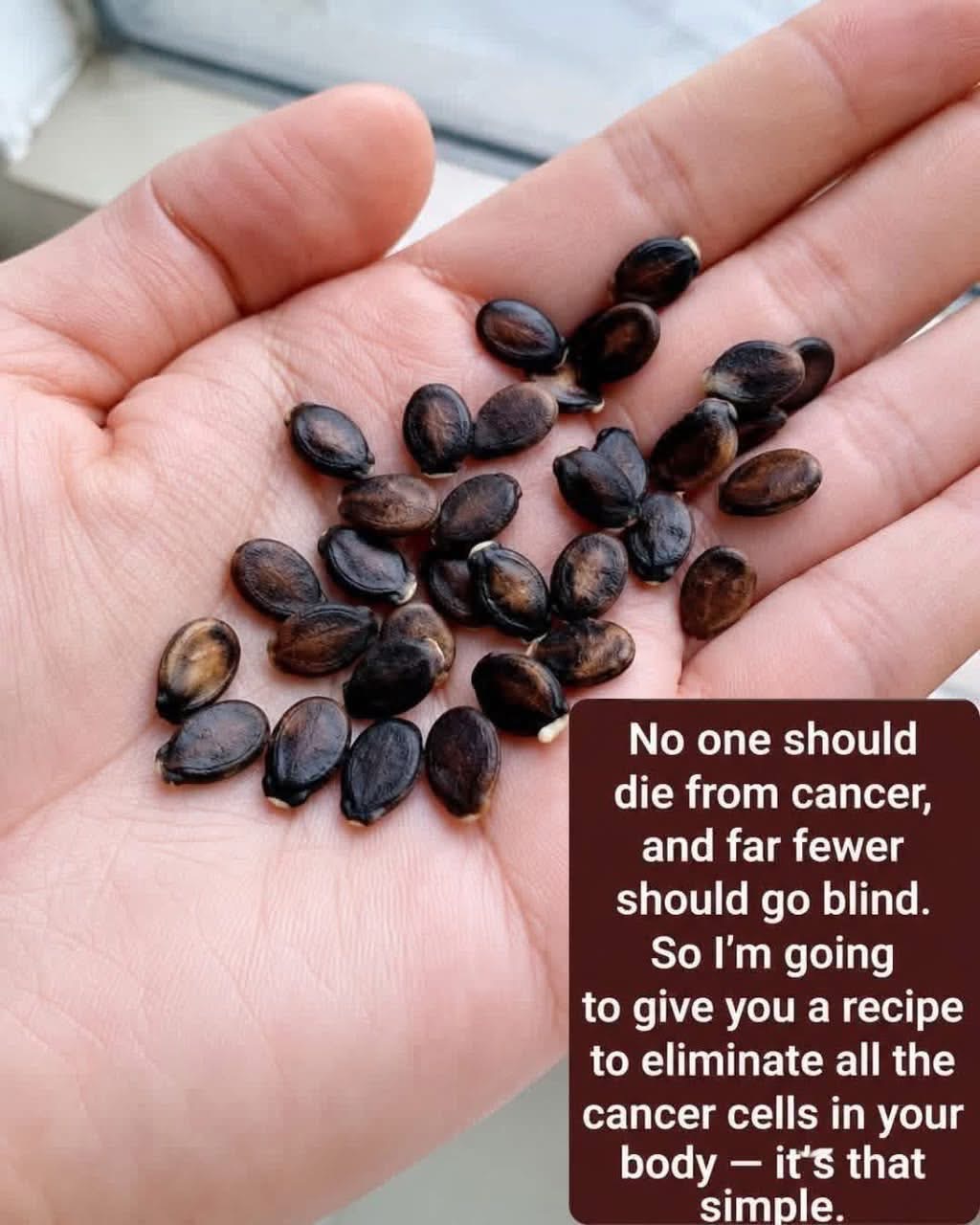
The dark seeds in the image appear to be mature watermelon seeds.
Often removed and discarded while the sweet fruit is eaten, these little seeds can be cleaned, dried, and roasted into a crunchy homemade snack. They have a mild, nutty flavor and work well with both savory and sweet seasonings.
Watermelon seeds can contribute protein, unsaturated fats, magnesium, and other minerals to the diet when the edible inner portion is consumed. However, they cannot eliminate cancer cells, prevent every cancer, restore lost eyesight, remove cataracts, or replace medical treatment.
No individual food, seed, herb, vitamin, or special diet has been proven to cure cancer. Seeds can still belong in a nutritious eating pattern, but cancer requires diagnosis and evidence-based medical care.
What Are Watermelon Seeds?
Traditional seeded watermelons contain mature seeds with a hard black or dark brown outer shell.
Inside that shell is a small, pale kernel that can be eaten. Commercial roasted watermelon seeds may be sold whole in their shells or already shelled for easier use.
Some seedless watermelons contain soft white seed coats. These are immature and are normally eaten along with the fruit without any special preparation.
The mature seeds shown in the image look different. They are firm, dark, and better suited to roasting before being cracked or chewed.
Because several plant seeds can look similar, only use seeds that you personally removed from a correctly identified watermelon or that were packaged and sold for eating.
Never consume unknown seeds collected from an unidentified fruit or wild plant.
What Watermelon Seeds Really Offer
Watermelon seeds do not need dramatic medical promises to be valuable.
Once dried and roasted, they make a simple snack that can provide useful nutrients and a satisfying crunch.
Depending on whether the shell is removed, watermelon seeds may provide:
- Plant-based protein
- Magnesium
- Iron
- Zinc
- Phosphorus
- Unsaturated fats
- Small amounts of dietary fiber
- A crunchy alternative to heavily processed snacks
Shelled, dried watermelon seeds can be particularly concentrated because most of the water has been removed.
They are also calorie-dense, as most nuts and seeds are. A modest handful is usually enough for one serving.
The goal is not to eat an enormous bowl because someone called them miraculous. The goal is to use them as one nutritious ingredient among many.
Can Watermelon Seeds Cure Cancer?
Watermelon seeds cannot eliminate all cancer cells from the body.
They are not a substitute for surgery, radiation therapy, chemotherapy, hormone therapy, immunotherapy, targeted therapy, or another treatment recommended by an oncology team.
Laboratory studies sometimes examine plant compounds under controlled conditions. A substance affecting isolated cells in a laboratory does not prove that eating the food will cure cancer in a human body.
Digestion, dosage, absorption, tumor type, overall health, and interactions with treatment all matter.
The National Cancer Institute states that no special food, diet, vitamin, mineral, supplement, herb, or combination has been proven to slow cancer, cure it, or stop it from returning.
A nourishing diet remains important during cancer treatment because it can help maintain strength, support recovery, and reduce the risk of malnutrition.
However, nutritional needs can change during treatment. Someone experiencing mouth sores, nausea, swallowing problems, diarrhea, constipation, weight loss, or reduced immunity may need individualized guidance.
Can These Seeds Protect Your Eyes?
Watermelon seeds do not restore vision or prevent every cause of blindness.
Their minerals and fats can contribute to general nutrition, but eyesight depends on many factors. These include age, genetics, diabetes, blood pressure, eye injuries, infections, cataracts, glaucoma, and retinal conditions.
A varied diet supports general eye health more effectively than relying on one seed.
Useful habits include:
- Eating colorful vegetables and fruit
- Including leafy greens
- Choosing suitable sources of healthy fats
- Managing blood pressure and blood sugar
- Wearing ultraviolet-protective sunglasses
- Avoiding smoking
- Receiving regular eye examinations
- Using protective eyewear when necessary
Regular dilated eye examinations can help detect certain diseases before noticeable vision loss occurs.
Sudden vision loss, severe eye pain, flashes of light, many new floaters, or a curtain-like shadow requires urgent medical attention.
No seed recipe should delay that care.
Homemade Roasted Watermelon Seeds
This recipe turns fresh watermelon seeds into a lightly salted snack.
Use only mature black or dark brown seeds taken from a fresh, properly identified watermelon.
Preparation time: 15 minutes
Drying time: Several hours
Roasting time: 15 to 20 minutes
Yield: Approximately 1 cup, depending on the watermelon
Ingredients
- 1 cup mature watermelon seeds
- 1 teaspoon olive oil
- ¼ teaspoon fine salt
- ¼ teaspoon smoked paprika, optional
- ⅛ teaspoon garlic powder, optional
- A pinch of black pepper, optional
How to Clean the Seeds
Remove the mature black seeds from the watermelon flesh.
Place them in a bowl of cool water.
Rub the seeds gently between your fingers to remove any pieces of fruit or sticky residue.
Transfer them to a fine-mesh strainer.
Rinse thoroughly under running water.
Spread the cleaned seeds over a clean kitchen towel or several layers of paper towel.
Pat them dry.
Arrange them in a single layer on a clean tray and allow them to air-dry for several hours or overnight.
The seeds should feel dry before roasting. Excess moisture may cause them to steam rather than become crisp.
How to Roast Them
Preheat the oven to 165°C, or approximately 325°F.
Line a baking tray with parchment paper.
Place the dry watermelon seeds in a bowl.
Add the olive oil, salt, and any optional seasonings.
Stir until the seeds are lightly coated.
Spread them over the tray in one even layer.
Roast for 15 to 20 minutes.
Stir them halfway through cooking so they brown more evenly.
Remove the tray when the seeds smell nutty and look dry and lightly toasted.
Do not wait until they become very dark. Burned seeds taste bitter, and no amount of cheerful seasoning can rescue them.
Allow the seeds to cool completely before eating or storing.
How to Eat Roasted Watermelon Seeds
Whole mature watermelon seeds have a firm outer shell.
Some people chew the whole roasted seed thoroughly. Others crack the shell, discard it, and eat only the pale kernel inside, much like eating sunflower seeds.
Choose the method that is comfortable for you.
Do not swallow large quantities of hard seeds whole, especially when you have difficulty chewing or swallowing.
Roasted shelled watermelon kernels can also be:
- Sprinkled over oatmeal
- Added to yogurt
- Mixed into homemade granola
- Tossed over salads
- Added to bread dough
- Blended into seed butter
- Mixed with pumpkin and sunflower seeds
- Used as a topping for soup
- Added to rice or grain bowls
Sweet Cinnamon Variation
For a lightly sweet version, combine the cleaned, dried seeds with:
- 1 teaspoon olive oil or melted butter
- ½ teaspoon ground cinnamon
- 1 teaspoon brown sugar
- A very small pinch of salt
Roast using the same method.
Let the seeds cool completely before storing them.
The sugar can burn more quickly than savory seasonings, so check the tray during the final five minutes.
Spicy Lime Variation
For a brighter savory snack, use:
- 1 teaspoon olive oil
- ¼ teaspoon chili powder
- ¼ teaspoon ground cumin
- A pinch of salt
- ½ teaspoon finely grated lime zest
Add the lime zest before roasting.
Squeeze fresh lime juice over the seeds only when serving. Adding juice before storage introduces moisture and may make them lose their crunch.
Simple Watermelon Seed Trail Mix
This easy mixture creates a practical snack for work, travel, or busy afternoons.
Ingredients
- ½ cup roasted watermelon seeds
- ½ cup unsalted pumpkin seeds
- ¼ cup sunflower seeds
- ¼ cup raisins
- ¼ cup chopped dried apricots
- 2 tablespoons unsweetened coconut flakes
Instructions
Place all the ingredients in a clean bowl.
Mix thoroughly.
Divide the mixture into small reusable containers.
A serving of approximately one-quarter cup is usually enough for a snack.
Store it in a cool cupboard for up to one week or refrigerate it for longer freshness.
Common Mistakes
One common mistake is roasting seeds that are still wet.
Allowing them to dry first produces a crunchier result.
Another mistake is using seeds from an unknown plant simply because they look similar to watermelon seeds.
Correct identification is essential.
Do not use seeds from spoiled or moldy fruit.
Avoid excessive oil. The seeds need only a light coating, not a swimming lesson.
Watch the oven carefully because small seeds can move from toasted to burned quickly.
Finally, do not rely on roasted seeds as a treatment for serious illness.
Good food can support the body, but it cannot replace oncology or eye care.
Storage Instructions
Allow roasted watermelon seeds to cool completely.
Warm seeds can create condensation inside the container, leading to softness or spoilage.
Transfer them to a clean, dry, airtight glass jar or food-storage container.
Store them in a cool, dark cupboard for up to one week.
For longer freshness, keep them refrigerated for up to three weeks.
They may also be frozen in an airtight container for approximately two months.
Keep sweet and savory batches in separate containers so the flavors do not mix.
Discard the seeds if they develop:
- Mold
- Moisture inside the container
- An unpleasant bitter taste
- A stale or paint-like smell
- Insect contamination
- An unusual soft or sticky texture
Seeds contain natural oils that can eventually become rancid.
Making small batches is better than keeping a giant jar until everyone forgets what year it was prepared.
Important Safety Precautions
Seeds can present a choking hazard, particularly for young children, older adults with swallowing difficulties, and anyone with dental problems.
Serve children only age-appropriate forms under supervision.
People with known seed allergies should avoid the recipe.
Stop eating the seeds if you develop itching, hives, vomiting, facial swelling, wheezing, or breathing difficulty.
Breathing problems and swelling of the mouth or throat require urgent medical care.
Anyone following a medically restricted diet should ask a healthcare professional whether seeds are appropriate.
People receiving cancer treatment may temporarily need to avoid hard, rough, or high-fiber foods because of mouth sores, digestive symptoms, bowel surgery, or other treatment effects.
Seeds are also calorie-dense. Enjoying them in measured portions is more useful than eating directly from a large jar without noticing how much has disappeared.
Frequently Asked Questions
Are black watermelon seeds edible?
Mature seeds from a correctly identified watermelon can be cleaned and roasted.
Their hard shells may be cracked and discarded before eating the inner kernel.
Do watermelon seeds kill cancer cells?
No.
They are nutritious food, not a cancer cure or replacement for evidence-based treatment.
Can they prevent blindness?
No seed can prevent every cause of blindness.
Balanced nutrition, management of chronic conditions, eye protection, and regular examinations are more important.
Do I need to soak the seeds?
Soaking is optional.
For this recipe, thorough washing, complete drying, and proper roasting are sufficient.
Can I roast them in a skillet?
Yes.
Place dry seeds in a skillet over medium-low heat and stir frequently for about eight to ten minutes.
Add seasonings near the end to reduce burning.
Can I use seeds from a seedless watermelon?
The small white seed coats in seedless watermelon are already soft and normally eaten with the fruit.
They do not roast like mature black seeds.
Can I make watermelon seed butter?
Yes, but it is easiest with shelled roasted kernels.
Blend them in a powerful food processor until creamy, adding a small amount of neutral oil when needed.
Final Thoughts
Watermelon seeds may be small, but they can become a crunchy, flavorful snack instead of going directly into the rubbish bin.
Roasting brings out their natural nuttiness and makes them easy to add to salads, breakfast bowls, trail mix, and homemade bread.
They cannot eliminate cancer or restore lost sight, and they should never be promoted as a replacement for professional care.
Enjoy them for what they genuinely are: a practical, nutritious kitchen ingredient hiding inside one of summer’s sweetest fruits.