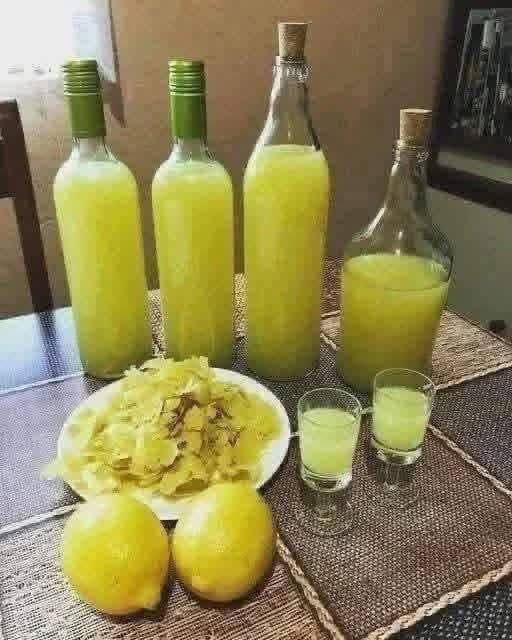
Fresh ginger and lemon make a bright, warming drink that is simple enough for an ordinary morning and refreshing enough to serve cold on a hot afternoon.
The ginger adds gentle heat, while fresh lemon gives the water a clean citrus flavor. Together, they turn plain water into something a little more exciting without requiring a cupboard full of expensive powders.
Ginger lemon water may support hydration, make sugary drinks easier to replace, and fit comfortably into a balanced wellness routine.
It cannot selectively melt fat from the abdomen, arms, thighs, neck, or back. It is also not a form of “natural morphine” and should not replace proper treatment for joint, muscle, or rheumatic pain.
Its value is much simpler: a flavorful homemade drink made from familiar ingredients.
What Is Ginger Water?
Ginger water is made by steeping or gently simmering fresh ginger root in water.
Fresh lemon juice is often added after the water has cooled slightly. Honey, mint, cinnamon, or orange slices may also be included for flavor.
The drink can be prepared one cup at a time or made as a small refrigerated batch.
It can be served warm, at room temperature, or chilled over ice.
Unlike bottled juice, soda, and many commercial wellness drinks, an unsweetened ginger infusion contains very little sugar.
That makes it a practical choice for anyone trying to drink more water without feeling sentenced to endless glasses of plain tap water.
Can Ginger Water Burn Body Fat?
Ginger water does not directly burn fat from particular parts of the body.
The body cannot be instructed to remove fat only from the stomach, arms, neck, back, or thighs by drinking a specific beverage. When body fat decreases, the pattern and location of that loss are influenced by overall energy balance, genetics, hormones, age, and lifestyle.
However, ginger water may still play a small supporting role in weight-management habits.
Water contains no calories. Replacing sweetened beverages with plain or naturally flavored water can reduce the number of calories and added sugars consumed during the day.
That benefit comes mainly from what the drink replaces.
For example, switching from two sugary drinks to unsweetened ginger water may be helpful. Drinking ginger water alongside the same sugary drinks and oversized meals will not produce the same effect.
Realistic Benefits of Ginger Lemon Water
Ginger lemon water is not a medical treatment, but it may offer several practical benefits.
It may:
- Encourage better hydration
- Replace some sugar-sweetened beverages
- Provide a small amount of vitamin C from lemon
- Add warming flavor without many calories
- Help some people with mild nausea
- Feel soothing when served warm
- Make a healthy routine more enjoyable
Ginger has been studied most extensively for certain types of nausea. Research into its effects on pain and inflammation is less consistent, with some studies showing modest benefits and others finding insufficient evidence. It should not be treated as a substitute for pain medication or medical evaluation.
Ginger and Joint Comfort
Ginger contains natural compounds called gingerols and shogaols.
These compounds are responsible for much of ginger’s spicy flavor and have attracted scientific interest for their possible effects on inflammatory processes.
Some people find that ginger-containing foods or drinks fit well into a joint-friendly lifestyle.
However, ginger water does not cure arthritis, rheumatism, damaged joints, autoimmune disease, or persistent muscle pain.
Chronic pain can have many causes. These may include injury, inflammation, nerve problems, infection, arthritis, circulation problems, medication effects, or another medical condition.
Pain that is severe, unexplained, worsening, or accompanied by swelling, weakness, fever, numbness, or difficulty walking deserves professional attention.
Homemade Ginger Lemon Water
This recipe produces a fresh, moderately flavored drink without making the ginger painfully strong.
Preparation time: 10 minutes
Steeping time: 15 minutes
Yield: Approximately 6 cups
Ingredients
- 6 cups water
- 3 inches fresh ginger root
- 1 large lemon
- 1 to 2 tablespoons honey, optional
- 6 fresh mint leaves, optional
- Ice cubes for serving, optional
How to Prepare It
Wash the ginger and lemon thoroughly under running water.
Cut away any damaged or moldy areas from the ginger.
Peeling the ginger is optional. When the skin is clean and fresh, it can remain in place.
Slice the ginger thinly.
Thin slices release flavor more effectively than large chunks and are easier to strain later.
Pour the water into a saucepan.
Add the sliced ginger and bring the water to a gentle boil.
Reduce the heat and simmer for five minutes.
Turn off the heat and cover the pan.
Allow the ginger to steep for another 10 minutes.
Strain the water into a heat-safe pitcher or large jar.
Let it cool for several minutes.
Squeeze the juice from half of the lemon into the pitcher.
Slice the remaining half and add one or two slices for flavor. Do not leave large amounts of lemon peel in the drink for days because it may become bitter.
Add honey when desired.
Stir until completely dissolved.
Serve the drink warm, or allow it to cool before refrigerating.
How to Serve It Cold
Let the prepared ginger water cool to room temperature.
Do not place a very hot glass container directly into the refrigerator, as the sudden temperature change may damage some containers.
Once cooled, cover the pitcher and refrigerate it.
Pour the ginger water over ice and add a fresh lemon slice just before serving.
Mint leaves, cucumber slices, or a few pieces of orange can make the cold version more refreshing.
For a lighter taste, fill the glass halfway with ginger water and top it with plain sparkling water.
How Much Should You Drink?
There is no medically established dose of homemade ginger water for fat loss or pain relief.
One or two cups per day is a reasonable culinary amount for many healthy adults.
Begin with a small serving if you are not accustomed to ginger.
A very concentrated drink may cause heartburn, abdominal discomfort, diarrhea, or irritation of the mouth and throat.
Drinking several bottles a day will not produce faster fat loss.
It may simply lead to stomach discomfort and an impressive number of visits to the bathroom.
Ordinary drinking water should remain part of your daily fluid intake. Ginger water does not have to replace every glass.
Best Time to Drink It
Ginger water can be enjoyed at any convenient time.
Many people prefer a warm cup in the morning.
Others enjoy it after breakfast or lunch because ginger’s flavor feels pleasant after a meal.
People with heartburn or acid reflux may tolerate it better with food rather than on an empty stomach.
Avoid drinking a large quantity immediately before bed when frequent nighttime urination disturbs your sleep.
A routine is most useful when it fits naturally into the day. There is no special hour when ginger suddenly begins melting body fat.
Easy Variations
Mild Ginger Water
Use only one inch of ginger for six cups of water.
Steep for 10 minutes and add extra water when the flavor is still too strong.
Ginger and Mint
Add eight fresh mint leaves after removing the saucepan from the heat.
Cover and steep for five minutes before straining.
Ginger Orange Water
Replace half of the lemon juice with fresh orange juice.
Add the juice shortly before serving for a naturally sweeter flavor.
Cinnamon Ginger Drink
Add one small cinnamon stick while the ginger simmers.
Remove it before storing the drink.
Honey-Free Version
Leave out the honey completely.
Add cucumber, mint, or orange slices when you want more flavor without added sweetness.
Warm Evening Cup
Reheat one serving gently.
Add a teaspoon of honey and a small squeeze of lemon.
Do not repeatedly heat and cool the entire batch.
Practical Weight-Management Tips
Ginger water works best as part of ordinary, repeatable habits.
Use it to replace soda, heavily sweetened tea, energy drinks, or large glasses of sugary juice.
Build meals around vegetables, fruit, whole grains, beans, eggs, fish, poultry, or other suitable protein sources.
Choose portions that leave you comfortably satisfied rather than painfully full.
Include walking, strength exercises, cycling, swimming, or another activity you can perform consistently.
Sleep also matters.
Being exhausted can make hunger, cravings, and meal planning more difficult. A bottle of ginger water cannot negotiate with a midnight snack when you have slept four hours.
Focus on gradual habits rather than extreme drink cleanses or starvation plans.
Storage Instructions
Store ginger lemon water in a clean glass jar or food-safe pitcher with a tight-fitting lid.
Keep it refrigerated.
For the freshest flavor, use it within two to three days.
Strain out the ginger pieces before long storage because the flavor will continue becoming stronger.
Add fresh lemon slices when serving rather than filling the storage bottle with many slices.
Discard the drink if it develops:
- Mold
- Unexpected bubbles
- A fermented or alcoholic smell
- A slimy texture
- An unusual color
- An unpleasant taste
Do not store homemade ginger water in decorative bottles that cannot be washed thoroughly.
A narrow bottle may look beautiful, but if no brush can reach the bottom, yesterday’s lemon pulp may decide to establish its own tiny civilization.
Ginger water can also be frozen in ice-cube trays for up to one month.
Add the frozen cubes to plain water, iced tea, or smoothies.
Important Safety Precautions
Ginger used in normal food quantities is generally well tolerated, but it can cause side effects.
These may include:
- Heartburn
- Gas
- Stomach discomfort
- Diarrhea
- Mouth or throat irritation
- Allergic reactions
People who take blood-thinning medication should ask a doctor or pharmacist before regularly consuming concentrated ginger products.
The same caution applies to people with gallstones, bleeding disorders, upcoming surgery, or medication-sensitive chronic conditions.
Anyone taking medicine for diabetes or high blood pressure should not stop or adjust treatment because they started drinking ginger water.
Honey should never be given to a child younger than 12 months.
Children should receive a much milder ginger drink because strong ginger may irritate the mouth or stomach.
Pregnant or breastfeeding individuals should speak with a qualified healthcare professional before using concentrated ginger preparations regularly, especially when they have pregnancy complications or take medication.
When Pain Needs Medical Attention
A warm ginger drink may feel comforting, but ongoing pain should not automatically be managed with home remedies.
Seek medical advice when pain:
- Continues for several weeks
- Frequently interrupts sleep
- Causes weakness or limited movement
- Appears after a serious injury
- Comes with redness, heat, or major swelling
- Is associated with fever
- Causes numbness or tingling
- Suddenly becomes severe
- Occurs with chest pain or breathing difficulty
Pain from rheumatoid arthritis and other inflammatory conditions requires appropriate diagnosis and monitoring.
Ginger water may complement a comfortable routine, but it cannot replace disease-modifying medicine, physical therapy, or another prescribed treatment.
Frequently Asked Questions
Can ginger water flatten the stomach?
It cannot target abdominal fat.
Replacing sugary beverages with unsweetened ginger water may reduce calorie intake, but lasting body-composition changes require broader eating and activity habits.
Can I drink it every day?
Many healthy adults can enjoy a mild preparation regularly.
Reduce the amount or stop using it when it causes heartburn, diarrhea, or stomach discomfort.
Can I use powdered ginger?
Yes.
Use approximately ¼ teaspoon of ground ginger for every two cups of hot water.
The powder will settle at the bottom, so strain it through a fine filter when preferred.
Do I need to peel fresh ginger?
Not always.
Wash it thoroughly and remove damaged areas. Peeling may produce a smoother-looking drink, especially when the ginger skin is thick or dry.
Can I add a lot of honey?
You can sweeten the drink, but honey adds sugar and calories.
Start with one teaspoon per cup and reduce it gradually when your goal is replacing sweetened beverages.
Does ginger water cure arthritis?
No.
Some ginger preparations have been studied for discomfort, but the evidence is mixed. Ginger water does not cure arthritis or rebuild damaged joints.
Can I make several large bottles?
A small batch is safer and tastes fresher.
Prepare enough for two or three days, refrigerate it promptly, and use bottles that can be cleaned thoroughly.
Final Thoughts
Ginger lemon water is a bright, inexpensive drink that can make hydration more enjoyable.
Its spicy warmth and fresh citrus flavor offer a satisfying alternative to heavily sweetened beverages. That alone makes it worth keeping in the recipe collection.
Enjoy it warm or cold, adjust the ginger to your taste, and prepare only a small refrigerated batch.
It will not melt fat from chosen body parts or remove every type of pain, but it can support the simple daily habits that genuinely matter—and those quiet little habits usually do more good than the loudest promises on the internet.