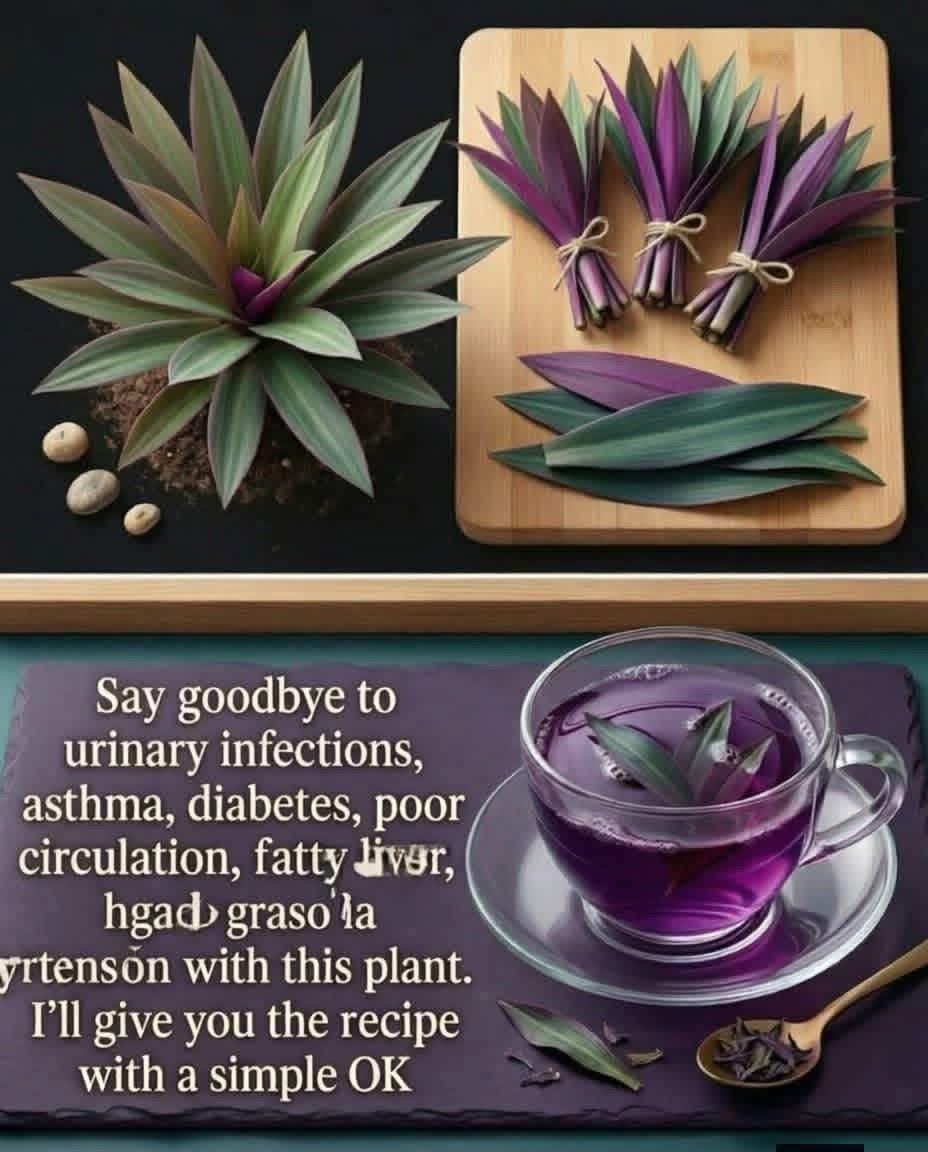
Have you noticed this beautiful purple plant showing up all over Facebook lately? One post says it can support urinary health. Another claims it helps with diabetes, asthma, poor circulation, and even liver problems.
It certainly grabs your attention.
But before you rush to make a cup of Purple Heart tea, it’s worth learning what this colorful plant really is and what current research actually says.
The Purple Heart plant has been appreciated for generations because of its striking appearance and its place in traditional herbal practices. While it does contain natural plant compounds that interest researchers, it is not a proven cure for serious medical conditions.
Let’s take a closer look at why so many people are talking about this fascinating plant.
What Is Purple Heart?
Purple Heart (Tradescantia pallida) is an ornamental plant known for its long, deep purple leaves and delicate pink flowers.
Originally native to Mexico, it now grows in gardens around the world thanks to its beauty and low-maintenance nature.
Many people grow it simply because it adds vibrant color to flower beds and containers.
Over the years, some cultures have also experimented with the plant in traditional herbal remedies, although scientific research remains limited.
Why Has Purple Heart Tea Become So Popular?
Social media has turned Purple Heart tea into one of the newest wellness trends.
Posts often suggest it can support:
- Urinary tract health
- Healthy circulation
- Blood sugar balance
- Liver function
- Respiratory wellness
- General inflammation
Those claims sound impressive.
However, it’s important to remember that most viral posts greatly exaggerate the available evidence.
No single herbal tea has been scientifically proven to cure or eliminate multiple chronic diseases.
A Plant Rich in Natural Compounds
One reason researchers find colorful plants interesting is because they naturally contain antioxidants.
Purple Heart includes compounds such as flavonoids and polyphenols that are commonly found in many fruits, vegetables, and herbs.
These natural substances help protect plants from environmental stress.
A diet rich in antioxidant-containing foods may also help support overall health as part of a balanced lifestyle.
That’s one reason nutrition experts encourage eating a colorful variety of plant foods every day.
Can It Help Reduce Inflammation?
Inflammation is your body’s natural defense system.
When you cut your finger or catch a cold, inflammation helps your body heal.
Scientists continue studying natural compounds found in many plants to understand whether they may help support the body’s normal inflammatory response.
While Purple Heart has shown interesting results in laboratory studies, human research is still very limited.
At this time, no clinical evidence proves Purple Heart tea can treat inflammatory diseases.
Does It Support Urinary Health?
Many herbal teas have traditionally been enjoyed to help people stay hydrated.
Drinking enough fluids is already one of the simplest ways to support normal urinary tract function.
If someone experiences burning while urinating, fever, severe pain, or blood in the urine, they should contact a healthcare professional instead of relying on home remedies alone.
Prompt treatment is important for urinary tract infections.
Can Purple Heart Tea Help with Diabetes?
This is probably the biggest claim found online.
Unfortunately, diabetes cannot be cured by drinking one tea.
Healthy blood sugar management usually involves a combination of nutritious eating, regular exercise, healthy body weight, quality sleep, and medication when prescribed.
Some herbs are currently being studied for their natural compounds.
That research is interesting, but it does not replace proper diabetes care.
What About Poor Circulation?
Healthy circulation depends on many different lifestyle habits.
Walking every day.
Drinking enough water.
Eating plenty of vegetables.
Avoiding smoking.
Managing cholesterol and blood pressure.
These everyday choices have much stronger scientific support than relying on one herbal drink.
Herbal teas may be enjoyed as part of a healthy routine, but they should never replace medical advice.
Can It Clean the Liver?
Many social media posts talk about “cleansing” or “detoxing” the liver.
The truth is your liver already performs this important job every single day.
Instead of looking for detox drinks, experts recommend supporting your liver by:
- Eating nutritious foods
- Staying active
- Drinking enough water
- Limiting alcohol
- Maintaining a healthy weight
These habits offer far greater long-term benefits than any single herbal remedy.
Traditional Ways People Prepare It
Some herbal enthusiasts prepare Purple Heart leaves as a mild herbal infusion.
However, because this plant has not been widely studied for food safety, caution is recommended.
Never consume ornamental plants unless you are absolutely certain they are safe for human consumption.
If you’re looking for herbal teas with a longer history of culinary use, chamomile, peppermint, ginger, hibiscus, and lemon balm are generally much more common choices.
Simple Habits That Support Better Health
Instead of searching for miracle cures, focus on habits that truly make a difference.
Eat plenty of colorful fruits and vegetables.
Stay physically active most days of the week.
Drink enough water.
Sleep well every night.
Manage daily stress whenever possible.
Small healthy choices repeated every day often have a much greater impact than any trendy wellness drink.
Is Purple Heart Tea Safe?
Natural doesn’t always mean harmless.
Some plants can interact with medications or cause allergic reactions.
If you are pregnant, breastfeeding, managing a chronic illness, or taking prescription medication, speak with your healthcare provider before trying unfamiliar herbal remedies.
Always stop using any herbal product if it causes unwanted side effects.
Final Thoughts
Purple Heart is undoubtedly one of the most beautiful ornamental plants you’ll find in a garden.
Its rich purple color and interesting natural compounds have made it popular among gardeners and herbal enthusiasts alike.
Although social media often claims it can cure urinary tract infections, diabetes, asthma, poor circulation, fatty liver disease, and many other conditions, current scientific evidence does not support those claims.
Instead, enjoy herbal teas as part of an overall healthy lifestyle rather than expecting miracle results.
A balanced diet, regular movement, proper hydration, quality sleep, and routine medical care remain the most reliable ways to support long-term wellness.
Nature has given us countless fascinating plants to explore, and Purple Heart is certainly one of them. Just remember that the healthiest approach is combining traditional wisdom with modern science to make informed choices for yourself and your family.