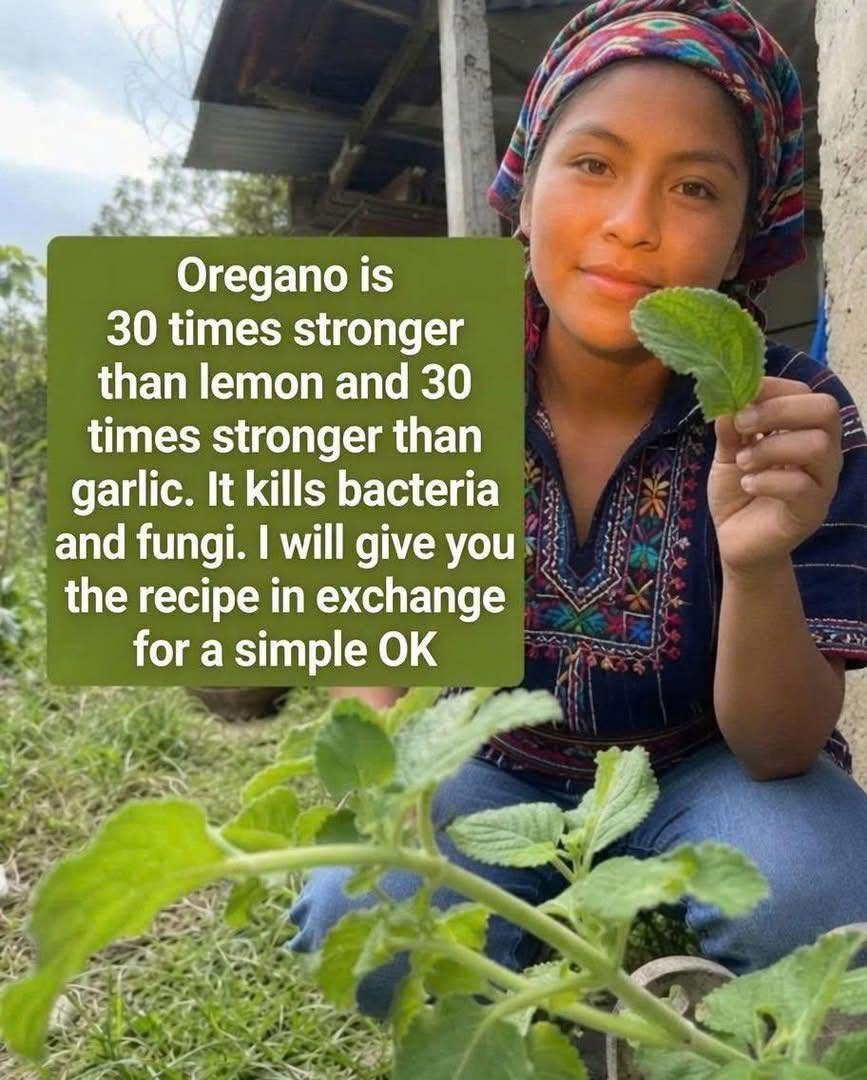
Oregano is much more than a flavorful herb sprinkled on pizza or pasta. For centuries, people around the world have used oregano in cooking and traditional herbal practices. Recently, social media has been flooded with posts claiming oregano is “30 times stronger than lemon and garlic,” capable of killing bacteria and fungi, and even treating countless illnesses.
While oregano does contain impressive natural compounds, these viral claims often exaggerate what science actually supports. Oregano is a nutritious herb with potential health benefits, but it is not a miracle cure or a replacement for professional medical care.
Let’s explore what oregano really offers, how to prepare a simple oregano tea, and the best ways to include this herb in a healthy lifestyle.
What Is Oregano?
Oregano is an aromatic herb belonging to the mint family.
Native to the Mediterranean region, it has become one of the world’s most popular culinary herbs thanks to its bold flavor and pleasant aroma.
Fresh and dried oregano are commonly used in:
- Pasta sauces
- Pizza
- Soups
- Salads
- Marinades
- Roasted vegetables
- Herbal teas
Besides its delicious taste, oregano contains a variety of naturally occurring plant compounds.
Why Oregano Has Become So Popular
Researchers have identified several beneficial compounds in oregano, including:
- Carvacrol
- Thymol
- Rosmarinic acid
- Flavonoids
- Polyphenols
These compounds have antioxidant properties and have been studied for their potential role in supporting overall health.
Does Oregano Kill Bacteria?
Laboratory studies have shown that oregano essential oil can inhibit the growth of certain bacteria under controlled conditions.
However, drinking oregano tea is not the same as using concentrated oregano essential oil in laboratory research.
Most importantly:
Oregano tea is not a substitute for antibiotics when someone has a bacterial infection.
Anyone with symptoms of an infection should seek proper medical evaluation.
Can Oregano Fight Fungi?
Some laboratory research has also examined oregano’s natural compounds against certain fungi.
Again, these findings do not mean that homemade oregano tea cures fungal infections.
Medical treatment may still be necessary depending on the type and severity of the infection.
Is Oregano Stronger Than Lemon or Garlic?
Statements like “30 times stronger than lemon” are not scientifically meaningful.
Lemon, garlic, and oregano each contain different nutrients and plant compounds.
Rather than competing with one another, they each contribute unique benefits to a balanced diet.
Nutritional Benefits of Oregano
Fresh oregano contains small amounts of:
- Vitamin K
- Vitamin A
- Vitamin C
- Calcium
- Iron
- Manganese
Although we typically consume oregano in small amounts, every little bit contributes to a nutrient-rich eating pattern.
Homemade Oregano Tea Recipe
One of the easiest ways to enjoy oregano is as a warm herbal tea.
Ingredients
- 2 teaspoons fresh oregano leaves (or 1 teaspoon dried oregano)
- 2 cups water
- Juice of half a lemon (optional)
- 1 teaspoon honey (optional)
Directions
- Bring the water to a gentle boil.
- Add the oregano leaves.
- Reduce the heat and simmer for about 5 minutes.
- Remove from heat and let steep for another 5 minutes.
- Strain the tea.
- Add honey and lemon if desired.
Enjoy warm.
Oregano and Lemon Tea Variation
For a brighter flavor, try combining oregano with citrus.
Ingredients
- Fresh oregano
- Lemon slices
- Hot water
- Honey (optional)
Directions
Steep the oregano in hot water for several minutes before adding fresh lemon slices.
The citrus complements oregano’s earthy flavor beautifully.
Other Ways to Use Oregano
Oregano isn’t limited to tea.
Try adding it to:
- Tomato sauces
- Grilled chicken
- Homemade salad dressings
- Vegetable soups
- Roasted potatoes
- Scrambled eggs
Its bold flavor makes many everyday meals more enjoyable.
Healthy Habits That Matter Most
While herbs like oregano can certainly be part of a healthy lifestyle, long-term wellness depends on consistent daily habits.
Focus on:
Eating Plenty of Fruits and Vegetables
Colorful produce provides vitamins, minerals, and antioxidants.
Staying Physically Active
Regular movement supports heart health, muscles, joints, and overall well-being.
Drinking Enough Water
Proper hydration supports nearly every function in the body.
Getting Quality Sleep
Sleep is essential for recovery and immune function.
Managing Stress
Chronic stress affects both physical and mental health.
Safety Considerations
Most people can safely enjoy oregano as a culinary herb or occasional herbal tea.
However:
- Pregnant women should consult a healthcare professional before consuming large amounts of herbal preparations.
- People taking blood-thinning medications should discuss significant dietary changes with their healthcare provider.
- Oregano essential oil should never be consumed unless specifically directed by a qualified professional, as it is highly concentrated.
Final Thoughts
Oregano is a flavorful herb with a rich history in cooking and traditional wellness practices. It contains naturally occurring antioxidants and plant compounds that continue to be studied by researchers, making it a valuable addition to a balanced diet.
However, claims that oregano is “30 times stronger than lemon and garlic” or that it can cure bacterial and fungal infections on its own are not supported by strong scientific evidence. Instead, enjoy oregano for what it truly offers: wonderful flavor, nutritional value, and a comforting herbal tea that can be part of a healthy lifestyle. When combined with balanced nutrition, regular exercise, quality sleep, and appropriate medical care, simple herbs like oregano can help support overall wellness without relying on exaggerated miracle claims.