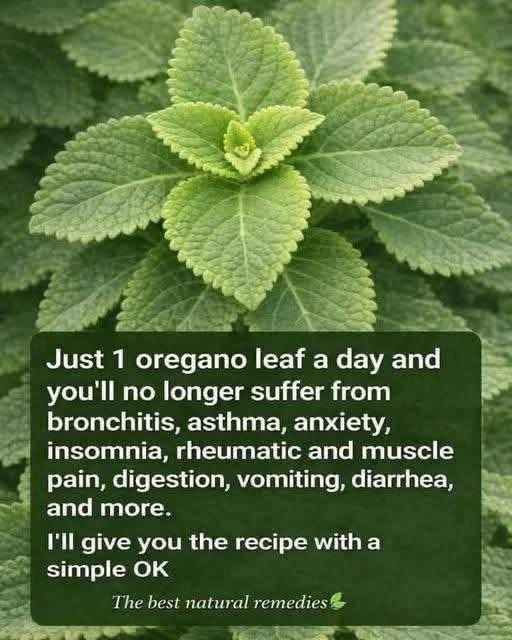
Oregano is one of those herbs almost everyone recognizes from the kitchen first.
It shows up in pasta sauce, roasted vegetables, soups, pizza, and all kinds of savory meals. But beyond cooking, oregano has also been used traditionally in home herbal routines, especially as a warm tea or infused drink.
That is where a lot of the online buzz comes from.
And that is also where a little honesty becomes important.
Oregano is a flavorful herb with a long history of traditional use, but it is not a miracle cure. Claims that one oregano leaf can stop bronchitis, asthma, anxiety, insomnia, vomiting, diarrhea, and many other conditions are not supported by strong clinical evidence. Oregano has been used traditionally for respiratory and digestive complaints, but traditional use is not the same as proven medical treatment.
So the best way to talk about oregano is simple and responsible: it can be part of a comforting herbal routine, especially as a warm tea, but it should not replace real medical care for serious symptoms. NCCIH also advises people to be careful with herbs and supplements because they can interact with medicines.
Why People Use Oregano
Oregano has a warm, bold, slightly peppery flavor. It contains aromatic plant compounds that give it that strong smell and taste, which is why even a small amount can flavor a whole dish. Scientific and traditional literature both note that oregano has long been associated with digestive and respiratory uses in folk medicine.
That does not mean every viral claim is true.
What it does mean is that oregano tea can feel soothing, especially when served warm. Many people enjoy it after a heavy meal or during colder weather as part of a simple home routine. A warm herbal tea can be comforting for the throat and pleasant after eating, even without pretending it is a cure for everything. That is already enough reason for many people to keep it around.
A Safer Way to Use Oregano
If you want to enjoy oregano in a practical, gentle way, tea is one of the easiest options.
It is simple.
It is inexpensive.
And it lets you use the herb in a familiar form without getting into highly concentrated products.
That matters because oregano oil and oregano essential oil are not the same thing as using fresh or dried oregano leaves. Concentrated oregano oil products are much stronger than a cup of tea, and safety is a different question entirely.
For most people, a mild tea is the better starting point.
Ingredients
- 1 teaspoon dried oregano or 3 to 5 fresh oregano leaves
- 1 cup hot water
- 1 teaspoon honey, optional
- 1 small slice of lemon, optional
How to Make Oregano Tea
Start by boiling fresh water.
Place the oregano in a cup or teapot.
Pour the hot water over the leaves.
Cover and let it steep for about 5 to 10 minutes.
If you are using dried oregano, strain the tea before drinking.
You can add a little honey if you want a smoother taste.
A slice of lemon also works nicely and makes the tea feel brighter and fresher.
Drink it warm.
That is really all there is to it.
No complicated process.
No dramatic secret step.
Just a simple herbal tea.
What It Tastes Like
Oregano tea has a strong herbal flavor.
It is earthy, warm, and slightly bitter, especially if you let it steep for a long time. If you are used to sweeter teas, it may feel intense at first. Honey softens it. Lemon brightens it. Starting with a mild cup is usually the easiest way to see whether you enjoy it.
Oregano is not a shy herb.
It arrives with opinions.
But in a warm drink, it can feel cozy and comforting.
When People Usually Drink It
Some people like oregano tea after meals.
Others enjoy it during cooler seasons when they want something warm and herbal. Some simply keep it as an occasional kitchen tea because the herb is already on hand.
That is probably the most realistic approach.
Think of it as a traditional herbal drink, not as a miracle promise in a mug.
Important Safety Notes
This part matters.
If you have asthma, bronchitis, severe breathing trouble, vomiting, serious digestive problems, pregnancy, allergies, or ongoing medical conditions, oregano tea should not be treated as a substitute for proper medical care. Breathing symptoms especially should be taken seriously. Traditional use of oregano for respiratory complaints does not mean it can replace diagnosis or treatment.
NCCIH also warns more broadly that herbs and supplements can interact with medicines, so it is smart to talk with a healthcare professional before using herbal products regularly if you take prescription medications or manage chronic conditions.
And again, oregano leaf tea is not the same as drinking oregano essential oil. Essential oils are concentrated products and should never be treated casually.
Easy Ways to Use Oregano in Food
If tea is not your thing, oregano is still a great herb to keep in the kitchen.
It works beautifully in:
- tomato sauces
- roasted potatoes
- grilled chicken
- soups and stews
- salad dressings
- roasted vegetables
- homemade bread
A little goes a long way, and it brings that warm Mediterranean-style flavor that makes simple food taste better.
Final Thoughts
Oregano is a useful, flavorful herb with a long tradition in home kitchens and herbal routines. It may be enjoyed as a warm tea, especially when you want something simple and soothing after meals or during chilly weather. Traditional sources often connect oregano with digestive and respiratory complaints, but the strong internet claims around it go much farther than the evidence supports.
So the smart version is this:
Enjoy oregano honestly.
Use it gently.
Keep the tea simple.
And remember that herbs can support a routine, but they are not a replacement for real treatment when symptoms are serious.